Showing posts with label dyslexia. Show all posts

Saturday, 28 October 2017

Journeys

Hello everyone, I didn’t really get the chance to properly blog for both World Mental Health Day and Dyspraxia Awareness Week. I wanted to blog about journeys and how everyone is on their own unique journey and how others can help.

"Life" has always taken me longer, whether it be getting dressed, writing an assignment (or these blogs)  or being able to face various situations due to social anxiety/anxiety. There's a running joke in my household that I've been running late since birth and was procrastinating in the womb (I was a month overdue)

At school/university, I became very aware that things took me that bit longer. I felt like I was behind everyone else and that was before I attempted to leave the house.  As an adult due to anxiety and dyspraxia things do take me longer both dealing with situations and day to day tasks, especially if it involves travelling,  experiences new places, new people or crowds to name a few. It means it takes time to step out of my comfort zones and to feel comfortable and confident when meeting people or in group situations due to social anxiety.

 This has affected my self-esteem and confidence as I can be quite hard on myself, prone to beating myself up and doubting myself. I'm lucky to have a boyfriend who's flexible and patient with me. I'm very grateful to him for this and all he helps with. Step by step I’m hoping to build up my confidence and self-esteem in trying things which I find more difficult. I also think it can take time trying different things which can help.

Often, from an outsider looking in perspective, assumptions can be made those with difficulties and/or mental health conditions, can't be bothered or lazy. The brain is working harder to do things which others can take for granted. A listening ear, a little bit of time patience and empathy can go a long way. Words can make a huge difference to someone in helping them believe in themselves when they struggle to.

It's made me persevering  person and someone who has  more patience and empathy and understanding for other people's journeys, especially for  those whom life has never been naturally easy. A few months ago I completed Parallel London 10k event. Where I saw so many people who had various difficulties, disabilities and mental health conditions take part. It was eye opening to see how inclusive the event was. We were told at the start that it wasn't about times, as long as we got round in our own way. That made me feel more relaxed as it was non-judgemental.

 I love seeing others achieve especially when it's not been an easy journey. I really respect people in the public eye who speak out about their mental health especially Zoella with her anxiety. I've been loving watching Mollie and AJ on Strictly Come Dancing. I've always respected Mollie, as she's always been open about her childhood experiences with dyslexia which means life takes her a little bit longer. I have empathised with her and find her quite refreshing. I  have loved seeing how much perseverance and hard work have gone into their performances each week from both of them. Her kind words over the years have meant a lot to me.

I hope by writing this blog helps others maybe feel less alone. I have found it quite therapeutic writing it.

I'm grateful to those there for me on my journey, I hope you know how much I appreciate you and what you do for me.

Wherever you are on your journey, keep going you're a lot stronger than you think you are!
Until next time.....


Thursday, 29 June 2017

How to blog (step by step)

Hello lovely people I hope you are well?

Last weekend I was asked to give a short presentation about blogging, it was really nerve wracking  as social situations aren't something I find easy and it was a challenge but I  pushed through the anxiety. After taking a few days to recover (anxiety can be exhausting)  and the conferences themselves are always in general quite a full on day, very  informative and helpful but tiring too. I thought afterwards, that I would write a blog with the main points of my presentation for anyone interested writing a blog. Especially for those like myself who may have social anxiety or just simply find social situations/confidence difficult. I would also like to thank everyone who attended the Dyspraxia Foundation conference youth conference last weekend. I'm grateful for your patience and understanding it meant a lot to me, and hope what I said might help others in some way. Talking about my experiences will never come easy as I've lived through quite a bit in life and by speaking about some of those life experiences, anxiety/ mental health and also dyspraxia it might stop others going through what I have and help others not feel alone. Hopefully in time social situations/anxiety and confidence will become easier for me, but finding them difficult has made me have empathy for others. Blogging has given me a voice which I'm always grateful for.

1. So how do you blog?
  • There's no set way to blog, everyone is different with their own story and life experiences.
2. Why blog?
  • It can help give you a voice especially if you have social anxiety
  • It can help raise awareness and understanding
  • It can help you connect with others
  • It can be therapeutic and get thoughts out of your head
  • Making a difference and helping others feel less alone
3. What to blog about?
  • Awareness
  • Day to day life, the ups, downs and everything in between 
  • What people may not know about the difficulties you might face
  • Passions/interests
  • What it's like living life differently/not how society expects you to - I have always been 10 steps behind people my own age.
  • What empowers you
  • What floats your boat
  • Important not to sugarcoat
4. What website to set up a blog?
  • BlogSpot
  • Wordpress
5. Then what?
  • There are options where you can change the design you want
  • Create a title
  • Photos or images can break up a blog
6. What if getting ideas down is hard?
  • Assistive technology such as Read Write Gold can be helpful
7.  What I feel anxious/lack confidence in sharing?
  • Share as much as you feel comfortable with
  • Share with people who you know understand you
  • Remember internet safety and be careful who you share with
  • I experienced a not very nice catfishing experience which I wouldn't want others to go through 
8.  What I keep looking at other people's blogs and then lack confidence?
  • It's easy to compare yourself to others we all do it (it's something I've found difficult.)
  • We are all different and on our own journey in life and face our own challenges and focus on being the best version of you. 
  • I'm sure there's lots of lovely things about you! It's easy to be too hard on yourself, I know self esteem is something I've always struggled with.
  • Follow your own advice ( I need to remind myself of too!)
  • But remind yourself why you blog and enjoy it!
Until next time.....


Sunday, 9 April 2017

The value of empathy

Today I thought I would blog about something which has become very important to me and that is the value of empathy. Many of people think empathy and understanding are the same thing, but in reality we cannot fully understand what it is like to live or experience something unless we are the person him/her. Empathy however, is the ability to put ourselves in someone else's shoes, see things from another perspective,  that of someone who has lived through the experience.

My boyfriend Matt calls me his wise owl, because I've had a wealth of experiences in life, I've gone through some quite difficult and challenging times, but hopefully tried to do something positive with them by helping others. If you've read my previous blogs I talk about day to day challenges  and the ups and downs in life dealing with dyspraxia and quite bad anxiety/social anxiety. I have also discussed issues such as bullying, social isolation and the impact they can have on someone: for me it meant I hit rock bottom and struggled with self harm. But do all I can do others don't have to go through that.

There are also private struggles which I've been through and experienced which never may make this blog, but all have shaped me as a person in some way. Although it's been tough, especially anxiety wise, they have also made me have a deep sense of empathy for others as well as making me stronger/more determined I hope in the long run. Through these blogs I write and the awareness work I do, I  hope something positive comes out of them and if they help one person writing them will always be worth while.

From a social anxiety perspective, it can take me a while to feel comfortable, to lift my protective walls and come out of my shell. It can take a while for me to be understood .
 Meeting new people and going into new places can be challenging. Then add into the mix my brain wiring and slower processing of information and the world around me due to dyspraxia/dyslexia. This makes me try to be as patient and reassuring as I can be with others who, for whatever reason, find social situations difficult.

When people take the time to get to know me, I try and give back in gratitude. When you to take a lot longer to be able to complete tasks or be able to face a fear, it makes you have a lot more patience and tolerance for others, as you know too well how frustrating it can be.

It can also make you more non judgmental and open minded, you never know what private battles or struggle people might be facing behind closed doors. Issues such as: mental health and difficulties/ disability should never be a competition, everyone has their unique journey and their own story in life and lived life differently. Everyone faces something in their life which shapes them. Everyone is different and deals with these differently. My boyfriend Matt for example: is a very private person and is  a closed book.

My self esteem and confidence has always been a struggle alongside my anxiety, both of them can be quite easily knocked. But, I also know too well how much the little things which people say and do can make you feel about yourself and give you a little boost and strength and to keep going, and help to build someone up.  Helping someone celebrate their little achievements is key as it can help give them the confidence to build on these. In my last blog I talked about how Mollie inspires me and her kind words help me. I was fortunate to meet her last week and her own empathetic nature gave me a little boost.

Empathy can also mean different things to different people.  what might be reassuring and encouraging to one person might not help someone else.  Which is why it's important to take a bit of time to get to know someone and listen and see what might help them. I've seen this Brene Brown video on empathy and it's well worth a watch.

 I will always be grateful to those in my life who have been supportive and encouraging especially,  over the last few months which have been quite challenging for me anxiety wise. I hope if you're reading this you know who you are, it's meant a lot to me:) The world would be a boring place if we were all the same!
Until next time...


Wednesday, 16 November 2016

Dyspraxia, anxiety and perseverance

Throughout my life there's a lot which has never come naturally easy to me, whether it be movement, tasks or adapting to change and the environment or being in social situations. Being dyspraxic means my brain takes longer than most for the wires to process information and carry out tasks that many people simply take for granted. It takes me a lot more attempts, with more energy and often done in a completely different way. Dyslexia also makes getting ideas down onto paper, take more time reading tasks and proof read any writing I do.

Alongside that comes quite bad anxiety which can be really challenging for me. It can  take me longer than others to feel settled in situations, struggle with social anxiety , get my bearings in environments and take me longer to face my fears. Even saying hello to new people is quite a big deal to me.

As a result of this  has come frustration both at myself and my body and also comparing myself to others. Comparing myself to others who may seem more confident socially than me, seem more relaxed or be able to do tasks with less time and less mistakes. I can be pretty hard on myself and beat myself up when anxiety stops me going somewhere, I struggle to speak to people or I see a lot of mess around me or my body and brain don't want to co-operate. It's made me struggle with my confidence in myself a lot.

When I first moved to London nearly 2 and half years ago with my boyfriend Matt, I couldn't travel anywhere in London independently. Everything about London simply terrified me and my anxiety imagined every worse case scenario possible. The tube was simply a no no, too many people, the thought of the tube door closing on me and getting lost.

But then I got the opportunity to have a job helping students all with a variety of needs. My passion for helping other who struggle kicked in. On the first day of my travel I had a huge panic attack and texted my boyfriend that I would never be able to do it and I came back home.  In short my travel has been a nightmare and definitely not in my comfort zone and caused me quite a few panic attacks. But breaking it down step by step I've managed to survive doing the length of the Northern Line.

The same could be applied when I was studying for my degree it took me so much longer than my friends to study, to read all the reading for my courses, finish assignments and proof read my work. Then there's the little things  many take for granted like tasks requiring fine motor skills, being able to speak in a group of people or facing anxiety to make a phone call. It might take me weeks, months sometimes even years to be able to face some fears or be able to complete a task with confidence.  I'm learning that sometimes anxiety can lie to you and make you feel not good enough and that the storm will never pass and be filled with negative thoughts.

But with time, practice, access to help for my anxiety and reassurance from others I persevere and  keep going. It can be very difficult at times especially when you're struggling but hopefully in time I will learn more strategies to help manage my anxiety.  I'm very grateful to the patience and encouragement from my boyfriend, family and friends especially in difficult times. I can appreciate it can be frustrating at times, but that reassurance has meant a lot to me and my anxious chaotic brain.

As things have taken me a lot longer to get there than other people, it's made me appreciate the little things and appreciate the little achievements in others. Throughout my life I've been called stupid, lazy, careless and that I wouldn't be able to get very far or achieve very much. It shaped my own values and has given me patience for those who struggle.

You never know what struggles people might be facing in life, always be kind. I may have a way to go to manage my anxiety, but I'm taking my own time little steps at a time and that gives me a sense of pride and achievement. I hope this blog might help someone out there, keep going and never be embarrassed to do things your own way, there is no such thing as normal!


Sunday, 2 October 2016

Dyslexia Awareness Week 2016-Identifying Dyslexia


It's come round to that time of year again where it's dyslexia awareness week each year there is a theme, this years is  Identifying dyslexia. Some of you reading this blog will be thinking "But I'm not dyslexic, why should it matter to me?"

 Dyslexia matters to you, me, everyone out there, everyone at some point in their lifetime across all walks of life whether it be school, college, university, work will meet people who have dyslexia, when you watch your favourite TV show or listen to your favourite artist, there is a good chance one of them might be dyslexic too. As it is a hidden difference you never know who you might walk past in the street might be dyslexic or of course have any other hidden condition or struggle. At some point in life a dyslexic might help you for support in some shape or form maybe not just with reading or spelling but maybe with remembering instructions, directions, time keeping, general organisation of day to day life. You never know who is dyslexic so it's so important to have an open mind and show a little bit of understanding and empathy. Understanding is a common theme of my blogs and I think it's so vital. A little bit of understanding goes a long long way and can give someone a bit of a confidence boost no matter who they are.

There are so many people out there who are dyslexic and simply have no idea they are, they may feel like they are stupid, useless, that they have nothing to offer this world, crushed confidence and no self belief in themselves. Getting assessed and actually knowing if you are might be dyslexic is a huge issue at any stage of any individual's personal dyslexic journey. It can also be a catalyst for change and give a sense of acceptance and understanding as to why your brain might be wired in a different way and you might approach tasks and life in general in a different way. It also allows someone to see what strengths that they can give and offer the world. Such as thinking outside of the box, empathy, determination,  seeing a different perspective at problem solving. 

Neurodiversity is such a wide umbrella of various differences and difficulties, often co-occuring and overlapping. For me even though I was identified as dyspraxic at a young age, I always knew there was something else there, why I found my studies so hard, why reading all the course information took me 10x longer than anyone else and why my spelling well we won't even go there. After being made to drop qualified teacher status at university and experiencing ignorance, lack of understanding and bullying. It made my anxiety sky high, I felt depressed, stupid and hopeless and that I would never achieve anything and fell into a very negative cycle about myself.

I came across a member of a girl group who has been mentioned a few times over the years in this blog I read her story about dyslexia, I empathised and it gave me the courage to do something about it and in turn accept myself and the way my brain is wired more and I now help other students who learn differently as a learning support as a college. I still have a way to go managing my anxiety and feeling positive about myself but  I will always be so grateful to Mollie for speaking out in the media and raising dyslexia awareness and inspiring me in life. It's so important that different ways of thinking and processing are talked about more, not just in education but in day to day life. By talking we help people not feel isolated, alone and that it's not just them being them. We help people feel like they are a valuable member of society and can give something back. Wouldn't the world be a boring place if we all saw the world in the same way. Make sure you come back to my blog next week for dyspraxia awareness week, let's get the world knowing more about dyspraxia! Until then be kind to yourself and always remember you are never alone and you most defiantly are not stupid, nobody is perfect we all make mistakes don't be so hard on yourself. Something I defiantly need to remind myself more of.

For more information about dyslexia and getting identified please check out Dyslexia Action British Dyslexia Association  or Helen Arkell 


Keep up-to-date on Social Media, please  follow me on Facebook  for more dyspraxia/dyslexia awareness :)


Thursday, 9 June 2016

Celebrating small accomplishments

Sometimes life can feel overwhelming, like one huge storm or huge bowl of tangled up spaghetti, we feel trapped or caught up in it all and don't know how to move forward.

When you think in a different way, have a disability or a mental health condition whether
you're an child, young person or adult it can be very easy to compare yourself to others and see others progressing a lot faster than you or find tasks which others find easy either terrifying, time consuming or in short just really hard. It can affect your self esteem, motivation and confidence.

It can be very hard and simply overwhelming knowing where to start tasks especially if you struggle with anxiety or being organised and easy to avoid doing the task completely. My boyfriend always says I'm the worst procrastinator he's ever met, when I feel overwhelmed it's safe to say time literally flies by and I wonder where all the hours have gone. Whilst avoidance can initially make you feel better, once you start overcoming those little hurdles and break down the big things into more manageable chunks they can seem a lot less overwhelming. If we are proud of the little things we can achieve it can give us the confidence to take the next steps and the next piece in the jigsaw.

I think it's important to remember, and also any of the parents who read my blogs, you or your child will have your/their unique milestones, your/their own victories no matter how small they may seem.
Dyspraxia affects day to day tasks many take for granted so, it could be making a sandwich, being able to put your socks on, being able to give someone eye contact or manage to clean the house. As you go through life the challenges which approach us change over time, location and situation, so what might challenge us as a  dyspraxic child might change slightly over time as to as a dyspraxic adult. There are also other factors to consider such as: late identification and other differences or mental health issues.

In my last blog I discussed the impact anxiety has on my self doubt and confidence. For me even though I have many coping strategies for my dyspraxia, I have quite a way to go anxiety, but the more anxious I get the more my dyspraxic coping strategies seem to When trapped in that cycle of self doubt it can make everything seem never ending. As someone who if there is something to worry about, I worry about, and knowing where to begin and what to face when sometimes even leaving the front door is a challenge is terrifying in itself can be terrifying, but sometimes you have to go back to basics. When you’re beating yourself up over everything, it’s really hard to be patient and kind with yourself, but you can’t just flick a switch to for these anxious feelings or to feel more confident. Take small steps, and congratulate yourself when you do.


How you go about celebrating these is personal to the person, some people may keep it private, others share on social media, some in facebook groups where people know others will "get it." Children may find things like stickers or certificates helpful, for young people and adults doing something you enjoy or treating yourself. I think it's really important to remember everyone is different and as hard as it is, not to compare yourself or your journey to others.

One thing which might help to write down (or type into a phone or laptop) the good things that happen to you or your child or put together a memory scrapbook or box. It can be things you’ve enjoyed doing, nice things people have said to you. Breaking challenges and tasks into more manageable chunks or lists either written or pictorially and the feel good factor when you tick or cross something off once you've achieved it. Memory can be a huge issue for dyspraxics/dyslexics and having things written down can help give a structure. They don't to be a major achievement – jot down or stick down the tiny things so when you're struggling or feel low you have things to look back on. They can also be a lovely way for you/your child to see how far you have come and how those pieces of the jigsaw I talked about earlier in the blog slowly start to piece together to form the bigger picture.

If you can’t find anything positive to say about yourself, maybe someone else can do it for you. Now I've always been awful at accepting compliments and think people are just being nice but asking a loved one to write down what they see as your positive qualities might give you a boost, maybe you could think of doing the same for someone else. A little bit of kindness and encouragement can go such a long way. I'm so grateful for the kindness in the words of those who have nominated me for a National Diversity Award, when voting finishes (in less than 2 weeks) I plan on printing them off to look at when I don't feel so wonderful. If any of these blogs have helped at all, it would mean a lot if you considered nominating me. https://nominate.nationaldiversityawards.co.uk/Nominate/Endorse/29669name=Rosie%20Edmondson

Confidence isn't something which grows on trees, and you might not have much of it right now, but you can start planting some seeds. With the right self-care, your confidence can slowly start to grow again. If nobody has told you this today, I'm proud of you!


Please follow me on Facebook and Twitter for more dyspraxia awareness :)

Thursday, 28 April 2016

Social anxiety, dyspraxia and finding my voice

The ability to communicate and express our thoughts, opinions and emotions in life whether it be in verbal or written form is something which many take for granted, for others it can be more of a frustrating struggle. My blog recently reached 100,000 views which is something incredible and I'm very grateful. It really has been a journey for me I would like to thank you for being part of it with me and I hope it's helped someone out there and helped raise awareness. If I am lucky enough to be shortlisted for the National Diversity Awards (thank you for your kindness so far) - https://nominate.nationaldiversityawards.co.uk/Nominate/Endorse/29669?name=Rosie%20Edmondson  I hope to keep raising the profile of dyspraxia.

Back at primary school when like many children I was asked to constantly copy from the board or out of text books, like many other dyspraxics hand written work was a laborious painful chore, my handwriting resembled (and still does) the Egyptian hieroglyphics and I was often told to re do it, how much of a mess it looked and  why couldn't I just take more care. It was very frustrating for me as dyspraxia/dyslexia meant I struggled to get the words from my brain down to paper, I could never write fast enough, and prove what I was capable of I thought  therefore that my ideas must be rubbish and stupid so used to shy away from sharing them, but they were still there bubbling away.

Whilst developing study skills in education  has more public awareness associated with dyslexia/dyspraxia. The use of my laptop and assistive technology (Inspiration mind mapping and Read Write Gold) has really helped me get those ideas make more sense. The social side to dyspraxia especially social anxiety issues which are often misunderstood has been more of a challenge for me and for many other dyspraxics. Social anxiety is simply so much more than just feeling a bit shy and can really affect how someone has the confidence express themselves. I hope whether you're dyspraxic or not and struggle with social anxiety this might help you or or a loved one.

Before I started writing this blog if you had asked me to describe what dyspraxia was and how it affected me I would have avoided the subject completely and if asked would only tell people that I was clumsy whilst stuttering the words, hands shaking and sweating. I just didn't know how to and was scared that people would run a mile if I disclosed to them, it was my little secret.  But after awful bullying and ignorance in the work place which left me too anxious to speak and in a dark place I couldn't let it happen to others and took a step of courage and began to blog.

A common theme for many dyspraxics socially is feeling different and struggling to make and maintain friendships. Alongside bullying and ignorance which can crush any confidence and self worth you have.  I've always found it a lot easier to socialise with people older than me and younger than me as I find older people less judgmental and younger people I can offer advice. I have since found out that is common with dyspraxic folk. Over the years I've beat myself up a lot and wondered why I couldn't be as socially confident as others, which is an ongoing challenge. I've also spent a lot of my life hiding. Hiding from situations or environments which either triggered my anxiety or I've felt uncomfortable in. I know a lot of people with anxiety can struggle with avoidance.

Social anxiety for some people is the constant worry that you're going to embarrass yourself, or make an idiot out of yourself, or say something and nobody will "get it" and everyone will laugh at you. Then there's the post socialising feedback: the constant worry that you've done something to upset someone and that people hate you and are simply putting up with you. When you're anxious your whole body can tense up, you can start feeling unwell and you can struggle to give eye contact, which dyspraxics can find difficult as it is. I describe it sometimes as having everything you want to say in your head but a block about trying to get it all out, as a result you can come across as very quiet and shy when you just want to be able to get it out. All this over analysis can lead to low mood and depression, which can  make you feel like nobody would ever want to have anything to do with me because I was an awful person and not someone you'd want to be around,  hard as it is I know that's the irrational thinking.

I've always found group social situations a challenge especially new and unpredictable ones, which is something I went into more depth in a recent blog: Dyspraxia, anxiety and the unknown. My interests have been slightly different to my peers and the sensory environment of being in a noisy bar or club, with too many people having conversations and added background noise muffled together can be overwhelming, and I find it a lot easier to be myself in a quieter cocktail bar or pub in smaller groups I feel more calm.

At times I've been perceived as someone who sees the good in everyone which has been one of my biggest strengths but also have struggled over the years to find the confidence or assertiveness to stand up for myself or say no. Assertiveness is something which comes alongside confidence and self worth and can be something which can take time to develop as not everyone is naturally assertive or finds it easy. If you know someone who struggles with this please remember to be kind.  It can feel like you're constantly trapped which is not only exhausting but so frustrating too. 
  
I decided to take the step and began to blog, anxiety had silenced me for far too long. Blogging has helped me accept my dyspraxia, which I had struggled to do so and the courage to seek help for my anxiety, set myself small challenges and meet and talk to others who have gone through similar.

On Saturday I attended Dyspraxia Foundation conference in Oldham, I met up with the lovely Alice and Amy for the weekend and met some of the other dyspraxia youth members. On the day I wasn't feeling myself at all and getting out of bed had been a challenge but thanks to the hugs, encouragement and understanding of others I got out of the car and made it inside. An environment where I didn't feel scared talking in a group as there was that empathy there and where people kindly approached me to tell me that my blogs have helped them. I was also able to listen to concerns others had in the workplace, which I hope helped a little, which made the day worthwhile. Throughout this blogging journey that's what I'm most grateful for is the empathy and encouragement from others, it means a lot, it gives me the confidence to keep going, and makes me determined to keep challenging my anxiety and building my confidence little step by step.

We live in a world and an education system where difference isn't understood and often dismissed. So often I was told I would never get anywhere in life or achieve and in a lot of social situations I was never given the chance. But in the right environment and support with a little bit of empathy and encouragement people who learn differently can achieve, this blog reaching so many views shows just that.

It's also made me very patient and understanding with others who may struggle to express who they are as I know how important giving someone a little bit of time and patience is, I may never be the most confident talker but I can offer a listening ear, which is sometimes just what people need. It's so important as hard as it is to not compare yourself to others, we all have something to offer in a social situation no matter how loud or quiet you are as a person. Rosie is no longer hiding away from the world and blog by blog slowly coming out of my shell showing the world who I am, stepping out of the shadows and make my voice, the voice I had to fight so hard for heard.

My friend Hannah once told me be the shepherd not the sheep. Wouldn't the world be a boring place if we were were all the same, you never know what you might find out when you take the time to get to know someone and see things from a different perspective and let them come out of their shell. Thank you again, it means the world to me. It's been an emotional journey.


For more, please follow me on Facebook and Twitter for more dyspraxia awareness :)


Friday, 1 April 2016

Dyspraxia Awareness

I always see dyspraxia as the underdog in the world of neurodiversity, the different way of thinking people have never heard of or the one people know the least about. Whilst awareness has come a long way since I was growing up and there is more basic knowledge, there still is quite a long way to go.

Recently there has been quite a lot of media interest surrounding more well known neurodiverse differences and difficulties such as: autism and dyslexia very rightly so,  this is very important and needed, as whilst there may be more awareness, there often isn't the understanding and acceptance there. But I don't want dyspraxia to be brushed under the carpet or seen as the same as dyslexia or autism which is going to cause misunderstandings as to what dyspraxia is and how it affects people. Over the years I've been asked quite a few times "do I mean dyslexia?" or if I am autistic given the way I see the world. Whilst yes I am dyslexic, and dyspraxia does have overlaps with the autistic spectrum, I'm also Rosie. I just think it's important that dyspraxia is known in it's own right as dyspraxia.

Dyspraxia is often misunderstood, and no two people are the same, each of us are very unique in our strengths and weaknesses. These misunderstandings can cause bullying and ignorance and difficulties with self esteem, confidence and mental health. When you see other aspects of neurodiversity featured heavily in the media it does start to affect your confidence slightly and how you see yourself, and I think if dyspraxia was more well known a lot more dyspraxics and their families would feel more confident about themselves.

Dyspraxia is simply so much more than someone being a bit clumsy, it can affect co-ordination, balance, fine motor skills, spatial awareness, sensory sensitivity and social skills. But we also have a lot to offer this world each in our own unique way, we have untapped potential that often even we are unaware of often submerged by low self esteem and worth. When I go to Dyspraxia Foundation Conferences what always strikes me is the sheer passion and determination in the room.

Being dyspraxic has caused many misunderstandings over the years about who I am, what I could and couldn't do and what I could achieve in life. So many times I was shamed in front of others for making mistakes, told that I would never get anywhere, be able to hold down a job and that I was slow, careless, socially odd, not trying hard enough and messy. This lead to anxiety issues over making mistakes both in the workplace and day to day life, and I began to overthink every tiny mistake and how it could be interpreted. I also began to appologise so much in case I might of unintentionally upset someone and worrying became second nature to me. I remember once a friend telling me that she'd told her mum I was her clumsy friend, at the time I laughed it off and it is true I am clumsy, but there's so much more to me than that.

 Everyone deserves a chance and a little bit of time and empathy in life. It has also made me determined to prove those who doubted me wrong, and I have worked very hard to get to be where I am now as a learning support in a college, encouraging other dyspraxics who have those same worries and confidence issues I've had.

Social acceptance and the social side of dyspraxia is something I've covered quite a lot in my recently in my blogs and something I know it is something I discuss with  Alice quite frequently how there needs to be more understanding out there on how it feels to be different from your peers, maybe having different interests or enjoy socialising in a different but still fulfilling way (Do check out her blog about time, understanding and empathy.) Growing up I had no idea people like Alice existed, I just thought it was Rosie being Rosie so never talked about anything I now blog so passionately about. I feel like if dyspraxia was more well known than the worries which come with this would be reduced a little.

When eating out in restaurants or pubs like many dyspraxics I can be a very messy eater and in general quite a messy person, but there's always that worry that people may wonder why an adult makes so much mess. The amount of times I've ended up with my fork missing my mouth and let's just say my mum has gone through a lot of stain remover over the years.

As you're seeing a common theme here is anxiety and worry, The Dyspraxia Foundation found that 40% of dyspraxics feel anxious all the time, whilst a lot of this anxiety comes hand in hand for a lot of us who have both dyspraxia and anxiety, if dyspraxia was more recognised some of the more social anxiety issues maybe could be eased slightly.

Doing the awareness work I do which often involves speeches and media work will never be something I find easy given my social anxieties, but I am willing to put myself in quite uncomfortable circumstances and take up any opportunity I can if it means dyspraxia can get more awareness. If I am lucky enough to be shortlisted for the National Diversity Awards - https://nominate.nationaldiversityawards.co.uk/Nominate/Endorse/29669?name=Rosie%20Edmondson - I hope to use it to promote awareness and celebrate what we can offer in life as well as raising the profile of dyspraxia. Thank you so much for your kindness already and lovely words it has meant so much to me. If my blogs help then please keep clicking the above link.

Whilst nobody can understand fully what it is like to have a neurodiverse difference or difficulty unless you have one yourself, we can all try and put ourselves in someone else's shoes.  Empathy can go a long way in life. Lets keep flying the dyspraxia flag high up into the sky raising awareness, *drops flag* and continues waving.

For more, please follow me on Facebook and Twitter for more dyspraxia awareness :)


Wednesday, 9 March 2016

Dyspraxia and sense of belonging


From a very young age I've always been very aware of how different I was to those around me, in height, socially and by my body worked. When I was four I was diagnosed dyspraxic. My mum always tells me even though I found day to day day tasks (and still do) a challenge I always had a go and always been really determined. Around that age I decided to give ballet a try, grace, co-ordination and balance has never been something I've been good at (you know it's me coming up and down the stairs by how heavy footed I am.) But nevertheless I gave it a try, but it was then my mum was approached by the ballet teacher and told "was there something wrong with me? Why was I backwards?" It was from that young age my family were aware of the struggle of getting others to understand such a misunderstood hidden difficulty.

Growing up I used to go up to my mum in tears asking,"why I had never been asked to any of the other children's birthday parties? Why did nobody wanted to play with me in the playground or join in with any of the imaginary horse games I had made up? (always been one for having a good imagination) Or why nobody wanted me on their team for P.E?" I was constantly questioning to myself, "what must I have done wrong?" I simply just never fitted in, I had very different interests to my peers group, whilst the rest of the girls were starting to apply make-up and roll in drunk after a night out, I was listening to cheesy pop music, or taking my dog for a walk. I could never name you the latest trends but if you asked me to name S club 7 or Steps's back catalogue I was your girl (still very much aware of these details even today.)
I felt very anxious, lost and alone and thought it was simply just me being me and I must have been some kind of outcast given the amount of bullying which was happening which was making me feel very low and having a very negative self concept about myself and I began to self harm- not something I go into detail in any blogs but I think it's an important issue which affects many and if you are struggling there is help out there. As cringy as it sounds I never thought anyone would like me.

 It wasn't till I was in my early 20's I met the first person who also had dyspraxia, it was quite a surreal experience. Around that time I was diagnosed dyslexic which made another piece of the puzzle make sense to me and why I struggled so much with spelling and why reading my uni work took me longer than others to make sense of. Quite a number of years later I attended my first of many Dyspraxia Foundation conferences. They are simply more than just a conference, they bring people together, parents, young people and adults with dyspraxia alike.  On days when dyspraxia makes me have mistake, after mistake and you don't know why, or when my  legs resemble the colour of a puddle from bruises. On days when anxiety makes me curl up into my duvet too scared to see the world, frustrated with my body and I end beating myself up for being curled up for being so anxious it can give you hope. Hope in those dark times that it's not just you, and that your struggles are similar to those other than you.  My lovely friend Claire has written a blog about anxiety and panic attacks, she's not dyspraxics but as many dyspraxic's can struggle with them, I thought others might want a read: http://eclairscares.blogspot.co.uk/2016/03/lets-talk-about-panic-attacks.html  As someone who finds it difficult talking in groups and in unknown situations conferences and meet ups have also given me confidence. The amount of times I've been in a group situation being too scared in case I said something silly so I just wouldn't speak or have the confidence to form an opinion. To be able to do that has given me the courage to apply it to other situations such as: doing speeches and filming.

They also have helped me find many people who have simply "got it" I was lucky enough to spend quite a bit of time with the lovely Alice over the conference please have a look at her most recent blog about dyspraxia and anxiety http://mindtank.co.uk/2016/03/08/youll-be-ok/ We chatted about our own experiences of dyspraxia, anxiety and of course S club 7 (who would have thought!) One of those where have you been all my life moments. We both had our fair share of travel issues before arriving in Birmingham. But if you are dyspraxic or a parent of a dyspraxic or someone simply wanting to find out more, I think I can speak for both of us by saying, they're eyeopening and worth all the stress which often comes before. There's also quite a few online communities for those affected by dyspraxia whatever age or parents to interact with each other. Recently I've been involved with the Dyspraxia Foundation Youth group, from my own experiences growing up it's something I'm really passionate about.

The dyspraxia acceptance journey is an emotional roller coaster ride for everyone involved, it has a lot of ups, a lot of emotional and overwhelming downs, quite a lot of tangled up twists of chaos, but also a good sprinkling of creative original thinking. Even though dyspraxia is a life long difficulty and doesn't just simply go away into adulthood, all my own experiences over the years have made me determined, determined that nobody should feel alone, and that there are others out there too. This week my blog reached 90,000 views, a huge thank you from the bottom of my heart for being there with me on my journey over the last few years. I've also very kindly been nominated for positive role model for disability at the National Diversity awards. If my blogs have helped at all would mean a lot if you voted for me https://nominate.nationaldiversityawards.co.uk/Nominate/Endorse/29669?name=Rosie+Edmonson

I also know that  I am not backwards nor is there something wrong with me, just different and wouldn't the world be a boring place if we were all the same.  I hope whether you're reading this blog as a fellow dyspraxic, dyslexic or have a hidden difference or disability, a parent, teacher or someone who wants to find out more. Maybe you struggle with anxiety or mental health issues or just feel different, that these blogs are a little bit of encouragement for you. Thank you for helping me get the word out and helping others understand dyspraxia and thank you to all who work at The Dyspraxia Foundation for all their support, hugs and kind words.

Everybody deserves to feel like they belong somewhere in this world, that it's ok to be different and that it is nothing to be ashamed of.  Sometimes I wish I could go back to tell my teenage self that days and times like this would come, and amongst the darkness, the worry and the bad which happens in life, some good can come out of it too. Never loose hope, I may not be able to tell my younger self this, but I can tell others who might be reading this now.


Friday, 19 February 2016

Simple adjustments- Dyspraxia/hidden differences in the workplace.


Over the last few weeks in the media there has a lot about neurodiversity in the workplace and how best to support people who think in a different way. This was something which came up in questions from the public when I was asked to go on the Victoria Derbyshire show, there was quite a bit of misunderstanding that if people have difficulties in the workplace they simply shouldn't be doing the job.  I think sometimes people get scared that they have to look after someone and spend a lot of time helping someone assuming that a lot of mistakes will happen. But in reality there are so many little reasonable adjustments which can be made, often things which take up no expense and little time which can make a huge difference.

It's understandable if you have no personal experience of differences/difficulties/disabilities to be a bit overwhelmed when it comes to helping someone, but so many people have struggles which are invisible to the eye, which can't simply be ignored. After I had experienced a particularly low day in a previous workplace, where there had been a lot of frustration, tears, feeling of worthlessness, my dad (undiagnosed dyspraxic, but has some very similar traits to me) came up to me and told me that it was like being a square peg in a round hole and  no matter what I did, or how hard I worked  the way I thought meant I would never fit into a mould, but that it was ok, and with the right help and acceptance I could find my worth and feet in life. 

In this blog I thought I would discuss some simple accommodations which can be made both in education/the workplace but in day to day life too to help someone who thinks in a different way. I hope they help you help someone out there and are useful. 

1. Acceptance

One of the greatest things you can give to someone to who thinks in a different way or has a difficulty or disability is to accept them for who they are and not try and change them. Difference is nothing to be scared of, not everyone has brains wired in the same way or processes information or the world around us the same, it's not wrong it's just simply different. We all as human beings have strengths and things which we struggle more with, just because someone has a label or a reason for these doesn't make them any less of a person. It's really important to remember that no two people with the same difficulty or difference are the same, there's no on and off switch and you simply don't just grow out of them when you become an adult. By accepting someone for who they are not only will give them the courage to gain coping mechanisms but develop self worth and confidence, plus you will get so much of an appreciation back. I know I probably bore people by saying thank you to them and how grateful I am. But for those who have taken the time to accept me for who I am quirks and all I'm forever grateful.

2. Boost self esteem/confidence

The emotional and social side of hidden differences is such a huge factor with many people with hidden differences and difficulties especially for those with little understanding out there such as: dyspraxia. It's something which is so important and can have such an impact on mental health and well being as many people with hidden differences and disability's often have anxiety and depression alongside. Whether due to bullying, past experiences, frustration there could be many reasons why.  A little bit of encouragement can go such a long way, it can give someone such a boost and feel like they're not as bad as sometimes they think they are. Simply just asking someone how you can help if you see them struggle can make a huge difference. 

3. Ask questions

It's so important with issues which are invisible to ask questions and find out more and how you can help someone, the more questions asked, the more awareness is generated and the less stigma and ignorance there is. 

4. Focus on strengths

As well as struggles there are many strengths people who think in a different way can bring and offer, such as: thinking outside of the box, seeing the bigger picture, creativity, understanding and empathy for others. Plus determination and resilience and never giving up.  

5. Give more time

New tasks can take a lot longer for someone with dyspraxia/dyslexia to master. I know for me any tasks which require a lot of fine motor skills/co-ordination will always take me so much longer than someone else, I'll make a lot of mistakes as I'm learning and will often will need to be shown quite a few ways how to do it or how to do it in my own way. But being put under pressure can cause stress and a lot of anxiety, just giving someone that extra time and a bit of a breathing space can make a huge difference.A little bit of patience can also help someone feel relaxed, before you think how long a task is taking someone remember that the brain/body is having to work 10x harder to do tasks others take for granted, but it also shows resilience and determination. If you do notice someone is getting very anxious from personal experience (hidden difference or not) incorporating self care and breathing strategies can be helpful.

6. The right environment

Just as time pressures can cause a lot of stress and anxiety so can the environment you have to carry tasks out in can as often there are issues surrounding sensory sensitivity such as: noise, heat and light. Distractions, background noise, bright lights, lots going on can all be very overwhelming, distracting and exhausting. But a few minor adjustments can make someone feel a lot calmer, less anxious and able to focus on the tasks ahead.

7. Escapism

Everyone chooses to relax in their spare time in different ways. Self care and making time to look after yourself is important to everyone. For some people with hidden differences their choice of escapism or how they choose to socialise may seem different to others. It all comes back again  to acceptance, you never know what you might find out  or learn when you broaden your horizons, don't just dismiss something because it seems different to what you personally wouldn't choose to do.


Finally I recently came across these interesting characters and could definitely relate to the second one (for me the ice cream would be probably half around my mouth and down my front too!) We are all different, unique individuals which all have a lot to offer this world. Until next time, remember to be kind to yourself!


Thursday, 11 February 2016

The impact of music


Music is something which affects something millions of people around the world in so many different ways. It can connect people, bring people together and shape someones life. It's something which I've seen quite a bit about recently for many reasons from the impact of Beyonce tickets going on sale, to people learning a musical instrument and I thought it was something important which needed blogging about. Music has always been some what of an escapism throughout my life and something which has had a huge influence on me.

I recently read a blog from fellow dyspraxic blogger Alice titled "music saved my life" which can be found here if you fancy having a read: https://alittlemoreunderstanding.wordpress.com/2016/02/02/music-saved-my-life/ and it really highlighted the impact and value that something can have someone's life dyspraxic or not. Some people might roll their eyes and think how can something have such an impact on someone, it's only an instrument or it's just a popstar but I'm hoping this blog will open some eyes.

Growing up I experienced some very similar experiences to Alice, similar bullying experiences leading to very negative thoughts and self destructive coping mechanisms, although these are things which both of us have said we tend to not talk about in blogs the links between mental health and dyspraxia and other hidden differences/disabilities is something which is something which needs addressing.

As mentioned in previous blogs the dyspraxia is a very long acceptance journey, something I've always found a lot easier than the dyslexia journey probably down to dyspraxia being not as well known.  Realising at a young age how different you are to your peers, that you don't fit in and having a body and brain which simply do not want to work together properly no matter how hard you try, the frustration, the sheer chaos, the comparisons to other people as you see day to day tasks taking you 10x longer than everyone else around you and the impact that has on self confidence and belief.

When I was younger it was recommended by my occupational therapist to try playing a musical instrument as something to help with my co-ordination and motor skills. I decided to learn to play the flute, even though it took me a lot longer to pick up the skills needed and I'm sure it was dropped many a time over the years, it gave me a feeling of accomplishment. I began to play with my local school orchestra and for someone who was always known as "the quiet shy one" found my voice as I could play a lot louder than I could project my voice. I had found my escapism, and found I was a lot more determined and resilient over things I loved.

Around that time I also developed a love of pop music and love of going to concerts. 5 years ago I gave Mollie my first ever blog on how she had inspired me, and I told her the positive impact she had on my life and how her being open about her dyslexia had encouraged me to talk more open about my difficulties. I was met with the warmest hug, and words of encouragement and empathy which have stayed with me to this day. For the first time I felt like I could get somewhere with my life, and that I wasn't all the negative things I or the bullies in my life had told myself. 5 years on even though I've never seen myself as a writer and my mum always tells me I should be more confident about my writing, I'm really proud of the blogs I've written and the impact they have.

Liking a band/artist is so much more than just the music, it's about lifelong memories, spending time with people you don't get to see often, having an escape from reality and being given a positive boost. Through my love of music has also given me the confidence to approach and get help for the many anxieties living with dyspraxia can bring, which many take for granted.Such as: being able to travel to a new city, being able to cross a busy road, being in very crowded like a busy arena, concert venue or the transport before/after, then there's all the stairs which are in arenas often without handrails.  Although I still have a way to go managing my anxieties it's made me so determined.

Music has helped me accept myself and find people who accept me. Without music me and my boyfriend and many friends we have met up and down the UK would never met. Escapism and finding something which makes you happy and smile in life is so important, not just if you have a difficulty, difference or disability, it may not be music but something else, something you or your child connects with. The impact can be so positive not just for the person but the people around them too. Seeing me be so happy after being so down, anxious and depressed to find a little bit of purpose in life has had such an impact on my mum and the rest of my family.

Most importantly music has helped me help other people, I know if it wasn't for the words of encouragement  given to me I would never have the confidence or self belief to be able to do so much of the awareness work I do. This week I had the opportunity to go on the Victoria Derbyshire show to talk about discrimination and bullying surrounding dyslexia and dyspraxia in the workplace, inside I was terrified but determined that nobody should have gone through what I have.

For me music has given me predictability in a chaotic, overwhelming world and so much more.


Tuesday, 19 January 2016

Detangling dyspaxic chaos


A lot of my blogs focus on the social and emotional side of dyspraxia but I thought I would write a blog about something I know many dyspraxics/dyslexics find very difficult in day to day life-organisation.

Organisation has never been something I've found easy and often found myself living in complete chaos with things everywhere, losing and forgetting where I've put items, organising where I need to be and when and with what items. Basically in short organising my life and everything in it. Luckily I have a boyfriend who's very logical and more methodological in thinking can be a great asset with organisation especially forward planning, but as we hope to move into our own home/flat at some point this year I know I need to develop some coping strategies to help myself.

When I feel disorganised everything feels chaotic and overwhelming, so hopefully decluttering will help calm my mind and help manage my anxiety better. As I will be dyspraxic all my life it will probably be something I will constantly find difficult and have to work 10x harder at but I hope some strategies will help a little. One thing I've realised over the years living with dyspraxia/dyslexia is that although shoving things into cupboards, drawers or on the floor may seem the easy option, in the long run trying to find them again is a completely different story.

1. Breaking tasks down and have a routine 

The thought of doing a lot at once can be overwhelming, exhausting and as a result very little gets done and more chaos often accumulates. Break down areas or tasks in a small chunks as small chunks as you need and what works best for you. Don't compare yourself  to others, just because someone else can blitz the house in a few hours with everything spotless, doesn't mean you're any less of a person. Make sure you take some time out to do something relaxing and something you enjoy afterwards or have something to look forward to. Breathe!

2. Don't feel embarrassed to ask for help

Needing some help with organisation is nothing to embarrassed about or to feel guilty for. Whether it be a family member a friend or a professional cleaning company. I've heard of quite a few adult dyspraxics who have asked for help to come into their home and help them. I know people can feel others might judge them, but surrounding yourself with empathetic people can be a blessing and do what is best for you and your day to day life.

3. Making lists and prioritising tasks

The amount of paper based lists I've made over the years which just simply have vanished into thin air. Or  the amount of times I've forgotten to write any kind of list and completely forgotten I have to do something. It could be as simple as putting the right shoe on each foot. Last Friday I ended up with one black shoe on and one brown, luckily I realised before leaving the house. I've had a few embarrassing moments turning up to work with clothes inside out and the labels showing. I find it easier to use an App (Google Keep for me but there's loads out there) on my phone where I can tick off when I've completed a task, I can also share the list with my boyfriend so he knows what's on the list too.

Don't feel embarrassed of what lists you make, if making a list with a routine of what order you need to carry out simple tasks helps then do it, doesn't make you less of an adult or a person. Then comes to prioritising the tasks on the lists and working out what is most important, something I find really tricky. Some dyspraxics find a traffic light system works for them, colour coding tasks red for needs immediate attention, amber in the next week and green in the next month. Then moving them up the priorities list.

4. Finding places for important items

Many times over the years I've gone downstairs or gone into a room with good intention of finding something and I've completely forgotten what I need or where I've put something. One of my most most common phrases has been to my boyfriend or mum, "have you seen where x is?" or "I can't remember where my y is" normally 5 minutes before I'm due out of the door.  Cue a mad state of panic and running around like a headless chicken with accompanying dyspraxic un-coordinated flapping and throwing clothing, duvets, and various objects around the room which resorted in more chaos.

At the moment I'm trying to get into a routine of putting important items in the same place, and having another list made on my phone of essential items I need to get out of the door. Another strategy I've seen people use is to type up on coloured card what they need for the day, print off and laminate and keep a few copies blue tacked up around the house and have one on you in person. When I buy things like phone cables, phone cases, purses etc I try and buy them not just because I like them but also because they stand out amongst other things, my iphone cable is bright purple, my phone is bright pink with a bright purple case.

5. Decluttering

I seem to own and attract a lot of clutter either on me in person or around me. Often my bag is like a Mary Poppins bag and has everything apart from the kitchen sink in it, often with many duplicate items in it, rubbish I've forgotten to throw away or have a lot of just incase items. I never seem to travel light and often pack way more than I need.

The same can be applied to my personal space, things just end up accumulating. I find I often get into routines of buying very similar items and have a lot of something, and can't resist a bargain. But is it really a bargain when you already have 5 of a similar item unopened probably stuffed in a drawer somewhere.

Often my living space can simply be overwhelming and I just never know when or how to start tidying it up, then I procrastinate and it ends up being left for even longer. As in the near future I will have my own home the thought of having many rooms all in a mess makes me feel quite sick. Something I'm planning on starting to do is tackle a little bit or a section at a time, taking regular breaks and knowing once things look a lot tidier it will make me feel a lot calmer, a calm surrounding leading to a calmer and happier mind.

Sunday, 17 January 2016

Beyond Face Value


Firstly I hope 2016 is being kind to you so far, January can be a bit of a difficult month so make sure you take some time to be kind to yourself.  Recently on the TV show The Undatables (Personally I really don't like the name for it.) There was a lovely man Tom Morgan who is Autistic and has Tourettes who caused quite an impact over social media. A lot of messages were saying to look at him you would have no idea he had any difficulties or differences and confusion over how he would struggle on a date. In reality he experiences a lot of social anxiety in social situations and struggles with body language, making eye contact and making small talk. Which is something I can empathise with as being dyspraxic I can experience quite a bit of social anxiety.

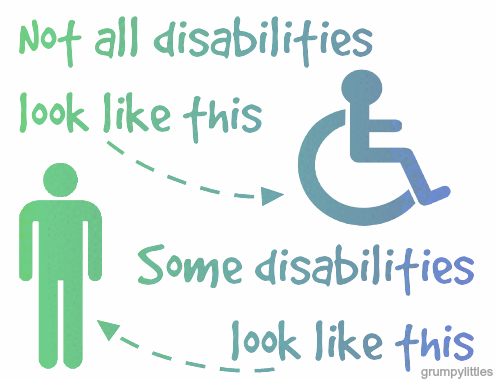
But I think it's so important to remember that there is no set "look" for someone who has a hidden difference, difficulty or disability. Just because you can't see something visibly, it doesn't mean that it's not there. When people think of specific learning differences and difficulties people often think it's just about learning, in education or in the work place, but for many they can affect day to day life and day to day tasks many people take for granted. When people think of dyspraxia many just see it as someone being a bit clumsy or having bad handwriting and are surprised when they realise how much there is to it and how much it can affect day to day life.

Last year I was very lucky to be given the opportunity by Scope to write about day to day life being dyspraxic for their #endtheawkward campaign and about some of the negative assumptions and misconceptions which have happened to me over the years. If you haven't had a read it can be found here: http://blog.scope.org.uk/2015/09/29/i-have-dyspraxia-but-rude-people-tell-me-im-drunk-endtheawkward/

See beyond face value, and don't make assumptions or judgement who might need a disabled seat on a bus or train, why someone might have to take a while to process information, carry out tasks or the world around them, or why certain environments are overwhelming to name just a few. There are so many people out there who struggle with something invisible and so many different invisible difficulties, differences, disabilities and illnesses out there. Also even if you meet two people who have the same label, no two people are the same everyone is unique.

Disclosure is something important to remember and who, where and when people choose to disclose. Even if someone has chosen to disclose something about their difference, difficulty or disability to you there's a good chance you don't know everything and there's so much more going on.

You also never know what strengths or positive qualities someone has alongside what they are struggling with. The person you see struggling to co-ordinate themselves through a busy crowd might be really determined and resilient, the person you see struggling with spelling or articulating their thoughts onto paper might be very creative, the person you see who doesn't find social situations easy might be very loyal and have a lot of empathy and understanding for others.  Most importantly there's a person behind any label. In life whether it be on social media or real life you only get to see a small snapshot of a person, who they are, their strengths, weaknesses and qualities. It's so easy to jump to conclusions but it's just as easy to see the bigger picture.

If we all try to put ourselves in someone else's shoes and have a little bit of empathy, kindness and patience it can go a long way.

Thursday, 31 December 2015

2015 in review - Making a difference


As 2015 comes to a close I thought it would be a good time to reflect on the year previous which has gone, whatever you're planning to do, I hope you have a very happy new year full of happiness and calm.

This year has seemed a bit of a whirlwind for me, but I feel very grateful to have been given so many opportunities and platforms to do what I'm most passionate about which is helping make a difference and raise awarness. Through the various conferences, blogs, charity fundraisers I have discovered how many people there are like me who have been through similar situations, have struggled with acceptance and getting the right help and support in life and experienced some of the same day to day challenges living with dyspraxia presents.

For many years of my life I thought it was just me being me, I thought I was stupid, worthless and that I would never amount to much in my life, which was fuelled with ignorance, bullying and a lack of undertanding of dyspraxia is. It was after then I decided to make a change and help others. Although day to day tasks can be a struggle, chaotic and overwhelming  and there's some things which will never be my forte in life I decided to focus on my strengths which has been my emotional sensitivity. My emotional sensitivity means I deeply care about the issues which I'm passionate about and have a lot of empathy and undertanding for others either human beings or animals.

I am very grateful to the people who have read my blogs, given me supportive messages about my speeches or in general just given me a little boost. The flip side of my emotional sensitivity means I struggle a lot with anxiety and feel emotion quite deeply and have really struggled over the years with self esteem and confidence. Which is why a lot of the blogs I write link a lot to the emotional and social side of dyspraxia and dyslexia, something which is often poorly understood.

I am also very grateful to charities who have supported my blogs and given me a platform to raise awareness. Especially to a group of ladies who work at the Dyspraxia Foundation who's words of positivity and encouragement got a very anxious Rosie up to do speeches and present me with the Mary Colley award earlier on in the year.

My thanks also go to the various dyslexia charities, Scope and Anxiety UK for also helping me raise awarness of hidden differences and mental health, I'm very grateful for all the opportunities.

This year has also been a year where I decided to make a difference to myself and seek help myself. Seeking help is a very brave step and it took me many years to have the courage and confidence to realise to help other people the first step was to help myself. If you are struggling please seek help, I know how crippling anxiey and mental illness can make day to day a real struggle. It's nothing to be ashamed of.

To the lady who inspires me to not let dyspraxia and dyslexia hold me back in life and uses her own experiences of dyslexia  in the public eye to raise awarness of so many issues close to her heart and make a differnce. I am very lucky to have an incredible inspiration in life Mollie King ( I had to bring her in somewhere!)

You don't need a reason to help someone or make a difference, making a difference  doesn't have to be something major, helping someone who is struggling, showing someone a smile if they don't have one, offering a little bit of kindness. Your words and actions can have such an impact on someone's life and can help or hinder someone. A little bit of encouragement can make someone's day in a postive way.

This blog is reaching 80,000 views, if it's helped one person feel less alone or understand themselves better it has all been worthwhile.

Finally to my incredible boyfriend and best friend who I am about to see the new year in with. Thank you for your acceptance, encouragement and everything you do constantly, it is always appreciated.

Thank you and here's to another year of awarness raising.

Rosie
Xxx


Things take time

Hi everyone I hope you're well? I first began to write this blog back before the first lockdown and have recently got around to re-editi...