Showing posts with label dyspraxia. Show all posts

Sunday, 2 January 2022

Things take time

Hi everyone I hope you're well?
I first began to write this blog back before the first lockdown and have recently got around to re-editing it and proofreading it. 

I wanted to blog about something which I've been thinking about a lot recently and how a lot of things in life take time.

It can be very easy when you find day to day life more challenging to find yourself getting frustrated with yourself and question why something which others may take for granted may take you longer. I've always been someone who needs to have things broken down, as someone who has struggled with a lot of anxiety and social anxiety over time, I need to break my fears and situations of things I find more difficult to build my confidence up.

 At primary school, it was often assumed I wasn't trying hard enough or was being lazy when it was taking longer than my peers to learn or process the information and copy from the board, write neatly or play games in the school playground due to dyspraxia. In social situations especially in groups, new people, or people I don't know well,  people can often make comments like, "you're so quiet" instead of including me in their conversations when I've felt socially anxious which can be upsetting and affect my self-esteem. But the little simple things can mean a lot to someone. 

The world we live in can feel very fast paced and modern society can make you feel like you have to have achieved or done something by a certain time or age. For many people and for many different reasons e.g. mental health and/or disability these milestones can take a little longer to achieve. Learning to drive, finding your place in the world of work or studying, living independently, or simply going out and doing what you love and enjoy in life or day to day tasks can take a lot longer. Which can affect self-esteem and mood. Everyone works differently and has different life circumstances too. 

Just because someone takes longer to do something doesn't mean they don't want to be able to do it, they aren't being lazy. Their journey just might be in a different way down a different path. If anything it can make someone a determined, persevering person. It can also make them have empathy and understanding for others and their journeys in life. Don't give up on someone and keep believing in them when they struggle to. But simply listening can mean a lot.

Keep going, you're stronger than you think.


Friday, 30 July 2021

Being Heard

Hello, I know it's been a while since I've written a blog, I hope you're doing ok? Thank you for your patience with my blog, I really appreciate it.

Inspired by my wonderful friend Immie's blog, I thought I would write a blog about something important to me and the little things others can do to help. 

The world we live in (in normal times) can seem very fast and loud, and if you're quieter, you can struggle with processing information, and/or have any disability or mental health condition, it can feel like you can struggle to keep up. This can lead to painful and upsetting assumptions about who you are and your day to day life, affecting your self-esteem and mood. 

Being a quieter, softly spoken person, with dyspraxia and anxiety/depression, I've never found being assertive or social situations easy. People can assume quietness means weakness, or that you're a doormat or easy target/ pushover. This is far from the case but those assumptions can be hard.

Sometimes, you may feel like on the periphery of a group and not part of one even if you're physically present, it can feel like everyone is talking to everyone else but you feel on the outside. It makes you worry if nobody even notices you or makes you wonder if you would even be missing if you weren't there. These feelings of loneliness and isolation can be painful, depressing and also upsetting for those around you. Feeling left out and not invited to things really affected my self-esteem and mood. I began to question if I was likeable, if I had anything interesting to say or if I was good company. I always felt that I was an unpopular option.

It can feel frustrating and that your voice doesn't matter, but it's so important that different voices are heard. I feel in every school, workplace, university and friendship group there needs to be understanding of and most importantly value and appreciation of different minds, different personalities, so people don't feel less than. 


How can you help me and others who may need some patience:

1. Give me time and be patient with me and don't assume I don't have anything to contribute. Let me feel more settled.

2. Don't put me on the spot it can make me more anxious and I can freeze, give me time to prepare and process things.

3. If you want to ask me a question or know something about me ask me and don't go through anyone else or it can make me feel voiceless and awkward.

4. Be curious, take the time to find out more, ask questions, don't make assumptions. Understand we all have our own unique story and experiences. 

5. Be sensitive, appreciate that I've had some tricky experiences which have affected my self-esteem and I can be quite a sensitive person in general. 

My experiences have made me listen carefully to what others have to say, thoughtful and appreciative of what is important to them.  I also have a strong sense of inclusion and hate the thought of anyone being left out. I also am patient with others and have an appreciation of the tenacity involved in a situation.

You are enough as you are, and you matter. 

Until next time.....


Monday, 27 July 2020

Being Patient and feeling enough

Hello everyone, I hope you are well?
We have been living in such unprecedented  times and our daily lives have changed so much over the last few months. During recent weeks lockdown restrictions have been lifted allowing people to get back to a degree of "normal" life. But how and when people decide to do this may be different and it's important to be patient, not just now but generally in life.

The world we live in can be loud and very fast-paced, it can feel like you're constantly trying to keep up with it. It can feel like everyone who surrounds you is just getting on with things, not having to think too deeply or need support. You can feel like asking for help is seen as a weakness, or that being a highly sensitive, anxious, quieter person makes you not enough. But we are all different, we all process life and it's experiences at different times, all with our own unique perspectives and personalities. Some people like myself may find things more anxiety provoking may need more time and may feel things deeply. But being patient with someone can help both you and the other person. It can make them feel valued and heard, especially if perception and low self-esteem are issues.

I recently read a blog by my close friend Immie about the value of a mental health mentor and how as a dyspraxic quieter person, it can take time to not only find the right support but also open up about what is on your mind and experiences. It can take a lot of courage and perseverance to do this. What I am also learning is that we all need help, we're all human and it's ok to find the assertiveness to say if the help you're receiving isn't the right fit for you, it also doesn't make you unkind.

 It's something which I think needs to be talked about a lot more as you can feel like you're going through it on your own.  Being dyspraxic and having anxiety/low mood has always meant I've needed a bit more patience, whether it be with simple day to day tasks, studying or getting to know me. It also means I struggle with fatigue and depression and things can take quite a bit out of me. Being quieter with social anxiety it can feel like you're undervalued and that you have to fight for your voice to be heard. Also what you have to say is of interest or if anyone would want to listen. But the little things can make a huge difference to me and my self-esteem and self-worth. For me, it's made me thoughtful and a good listener and patient with other people and their struggles. 

It's also important to remember to be patient with yourself, and to show self-compassion and not be so hard on yourself. All of which I can find so hard.  Finding ways to express how you're feeling is different for the individual, either written, verbal or even through music and creativity. It takes quite a bit of time and trial and error to find what might or might not help you which I’m still learning. Social media can often create a false illusion of picture-perfect, whilst in reality, we all have struggles we all can find things tricky from time to time. I recently watched one of Stacey Solomon’s Instagram stories where she talked about being unapologetically true to herself and the right people in her life - finding what makes you happy. You might never be everyone’s cup of tea, but to those who love you that will always be good enough.


Until next time...

Wednesday, 8 April 2020

Long Distance Connections

Hello, everyone, I hope you are staying safe and well during these unusual times. I wanted to blog (for the first time in a long while) about something important to me and needs more understanding. This has become more spoken about recently due to the outbreak of the Corona Virus. Hopefully, during this period it will raise awareness of how precious connections can be with family, friends and pets for us all at and also generally when you don't find making those connections easy in the first place. I'm currently apart from my parents and border collie Toby- (animals can provide a lot of comfort to people who find social situations hard.)

As with all of my blogs I am only speaking from my perspective, everyone is different and experiences life differently. It's important to take the time to listen to someone and their story as an individual. Also, remember that there can be a lot more to someone's story than one blog post.

For some people making friends and finding people they connect with isn't easy. Especially if in their local area there isn't much understanding, awareness or opportunities which incorporate inclusion. It's easy for people to take for granted having family or friends living in close proximity, where you maybe can just pop round for a drink, a meal or a hug.

All of the above have applied to me. As a quieter person, who has always found social situations anxiety-provoking and had my fair share of misunderstandings and bullying. I also come from a quieter family and am an only child.  Making friends has never been easy for me and to be honest a really sensitive issue. I am dyspraxic and I have very different music taste to my peers and experience mental health issues of anxiety and depression. I also spend a lot of my time usually back home in Burnley Lancashire.  In short, it takes quite a long time to get to know Rosie and for Rosie to feel comfortable with people and to do things people maybe take for granted.

In the past, I've had difficult experiences of people not understanding why social situations and day to day life can be hard for me. Which is why understanding is important that not everyone has things close by and people do things in their own time. They didn't understand why I can't just do something, meet people, or go somewhere or why it's so anxiety-provoking for me. Also why my confidence in cities(and general) can be really difficult for me. Due to my difficulties, people didn't understand why it was taking me longer.  I've always struggled with low self-esteem and can also struggle with my mood too. It can make me overthink a lot and worry the same experiences will happen again, doubt how I'll be perceived and if people will always react the same. Anxiety can be tricky like that. The little things can mean a lot and make a difference.

Taking longer in life and being at distance from the people, things and pets I care about has made me an understanding, empathetic person who takes the time to listen. I'm grateful for the few people who take the time to listen to me and make me feel like my voice is important and matters.

After this period,  after seeing my family, dog and the few friends at distance I have. I want to build up my self-esteem and find more activities and connections where people accept me, and  I find my purpose to help with my mental health. Hopefully, in time I will be able to be more confident to be where I want to be in life, in my own way and time. Sometimes things aren't easy to explain, give a quieter person the time and space and you never know what you might learn.

Throughout this difficult time and in general please be kind to others, put yourself in other's shoes and understand that everyone is different and does things in their own time. Please don't compare time frames. If you see someone who's at distance from their loved ones show some kindness.

Take care of yourselves.
Until next time........


Friday, 27 December 2019

Taking time and listening

Hello, apologies for the delay in blogging, this blog will be my last one for 2019,

Listening has something which has always fascinated me and which is really important to me. If someone feels listened to they can feel heard, validated, believed in. It can be such a powerful tool in communication.

Listening to someone is also understanding that it is something which takes time so that the other person believes that they matter and have important contributions to offer. It's giving that person time to speak and able to put their trust in you. It's taking the time to empathise and realise that there may be more to them and to their story.

The world we live in is such fast-paced, especially with the rise of social media. This can leave those who maybe need time feeling left out or misunderstood. People can take a snapshot of what may assume they know a lot more. This was spoken about at the Dyspraxia Foundation Conference in London in the summer. Little things can make a huge difference.

As a quieter person who has anxiety and social anxiety, I know what it's like to feel left out and people assuming that there's nothing more to me, often focusing more outspoken others. It can affect my self-esteem, confidence, mood and anxiety.  I understand people can be wary to include people who are quieter, experience anxiety or other difficulties e.g dyspraxia.

Little adjustments such as: understanding if someone needs to leave early, or find a quieter space can be helpful and reassuring that they still enjoy their company. Often those of us who lack confidence can feel like we don't have anything interesting or important to say, we just need to believe we do and feel listened to rather than misunderstood. It's still really lovely to be invited and included. Even if someone may decide that something is not for them.

As a dyspraxic, this can also apply physical activities and there being more so there are more options for more supportive, inclusive activities to participate in.

A positive of being a very emotional sensitive person, is that it has made me a caring and empathetic and I hope I take the time to listen to others whether humans or animals. However, I struggle to not take things personally,  and can be sensitive to the tone of voice and perceived criticism and rejection. I'm a very deep thinker as you may gather from reading these blog posts I'm a huge over-thinker and worrier due to anxiety and low mood. I can struggle to communicate my feelings and thoughts so can be hard for those around me see me being hard on myself and getting overwhelmed, but my counsellor is trying to help me believe that I do matter and am important.

These things take time and time to discover what might help. Which is still very much ongoing for me. We are all different and have our own journeys in our own time frame.

You never know what you might learn from someone. You might even be surprised. Please take the time to read my boyfriend Matt's blog: Quiet people have a voice too. 

  I'm so grateful to those who do give me time and stand by me; and my border collie Toby who offers unconditional love. Thank you for reading my blog. Next year I hope to be kinder to myself and believe in myself more, build up my confidence and manage my anxiety/low mood.

It's really important that people feel that their voices matter and feel valued and appreciated.

I really hope this year is kinder to everyone, wishing you a Happy New Year.

Until next time....


Tuesday, 14 May 2019

Everyone’s story is different

Hi everyone, after a bit of a break from blogging, I thought I would blog about something which has become quite close to my heart. It has recently been Mental Health Awareness Week.

Everyone has their own story, their own life experiences, their own ways of seeing the world. They will have lived in different life and family circumstances surrounding us, even different pets.
Sometimes people may not fit into a neat little box.

As someone who has lacked confidence in myself, is quieter, experiences social anxiety, anxiety, depression and dyspraxia. I have faced a lot of misunderstandings and assumptions.

When you lack confidence in yourself and your opinions it’s very easy to feel like you don’t have a voice, that you and your voice doesn’t matter and people will walk away or ignore rather than listen. So it's easy not to say anything, which can lead to feelings of isolation. I’m someone who’s had a limited support network and faced some not nice experiences or people in my time. I like to hope it's made me non-judgemental/empathetic/open-minded.

I grew up in a time where awareness of mental health and disability was simply not talked about. Some of these experiences are difficult to talk about and may not make the blog or my social media. There may be a lot about someone you don’t know about or their story so please be open-minded and non-judgemental. There needs to be more understanding of issues invisible to the eye.

Joining in and initiating conversations can often be anxiety/panic-inducing, it doesn’t mean someone is rude or anti-social but it may just take them more time to feel more comfortable people and build their confidence often in a safe place or with a safe person to find their voice . Just because someone is quieter it doesn’t mean they don’t have anything to say, options or interests. People have often assumed there's nothing to me. On the outside looking in it can sometimes that I'm not wanting to do something, being rude or not trying hard enough as it can take me a lot longer, especially if it's something new or unknown.  But it doesn't mean I'm not persevering nor that I don't care.

When someone is quieter it is very easy to slip through the net when it comes to needing help and support. When I was at school the people who struggled were seen as the ones who shouted out too loudly or had a lot of behavioural issues. I was the opposite: I lacked confidence, was too shy to put my hand up in class and spent a lot of time by myself being left out of situations and conversations.  I withdrew into my own rich, deep fantasy world. I was also very tall and physically clumsy and was always picked last for P.E.  I also always hated drawing any kind of attention to myself. But it didn’t mean I wasn’t struggling, finding things difficult or that I wasn't trying either.

It helps if I still feel included and included in conversations as joining in conversations can be really difficult for me and my social anxiety, and even in adulthood I've felt left out of situations, photos or conversations.  I worry that people don’t want me there/like me/enjoy my company and has lead to feelings of social isolation or depression. Being listened to is so valuable and when people do little things like check in with me or listen to me it can make me feel valued and appreciated. I’ve never had much of that, so when it does happen I really do appreciate it. Especially amazing friends I’ve met through the Dyspraxia Foundation. Most importantly it helps if people are patient with me, force me to speak up and I’ll close up. Give me time, value and appreciate me and I’ll reveal more about myself.

Due to my anxiety, especially really high levels of anticipatory anxiety (worry about what may happen or how I'm perceived), and generalised worrying- you name it I can overthink it and low mood.  I can find various situations difficult. Some things as a dyspaxic may be more difficult for me than others, I for example: I am a mucky pup and can struggle with simple things such as: brushing my hair/teeth. I love pop music and am an only child and have had other health issues, others may not have experienced this.

It’s really important not to make assumptions about someone, their story or their difficulties or strengths. Also don’t compare people, their stories and their experiences but take the time to listen and let someone share in their own time when they feel comfortable. Don’t stop inviting/including friends to things even if they say no or have to leave early. Be patient, day to day tasks can take longer and energy consuming so be kind.

Asking for help and support can be really difficult for people who may be struggling with their mental health, it can be easy not to want to bother someone or burden them with their problems or It can also be hard to know what help there is out there and what may or not be helpful.

When you read someone's blog please remember that they're still a work in progress, still figuring things out and how to help themselves and navigate life. Things take time, please be patient with us.


My boyfriend Matt is running some events this year to raise awareness of mental health and dyspraxia and funds for Dyspraxia Foundation.  To read our story, and to sponsor him: https://uk.virginmoneygiving.com/fundraiser-display/showROFundraiserPage?userUrl=MattRosie19&pageUrl=1

You're a lot stronger than you think, be kind to yourself, keep going.

Here's a photo of my rescue border collie Toby who has recently lost his eye. Sometimes even our pets have their own story. 😉

Until next time....

Sunday, 30 December 2018

2019 in review- You are not alone

Hello everyone,

It's come to the time when I write my end of year blog. It really doesn't feel like two minutes since I wrote my end of year blog last year.


This year has been a pretty hard year for me for a number of reasons and circumstances. I've also struggled a lot with my mental health, but I'm grateful for the support of the people who I've had in my life. I've never found making friends easy or had many of them for that matter either so those of you who have taken the time to listen to me, it means a lot to me - thank you. 

There can be a lot of comfort in not feeling like you're alone, the opposite are feelings I have known well - talking about I feel and about the things I find difficult has never been the easiest for me due to social/general anxiety.  I've always worried if people will be understanding and supportive or if they will laugh, judge, simply not get it or if I will bother others. Also expressing my thoughts and emotions is difficult for me. 

Due to my anxiety/social anxiety and dyspraxia, day to day life and situations can be a challenge and I also can experience panic attacks and low mood. I’m also a big overthinker and have challenges with confidence and low self-esteem. It can take a while to get to know me and for me to feel comfortable, especially due to my anxiety and quietness. It can be so easy to think it's just you who finds these situations difficult or why you may feel down.

I also struggle to find confidence in sharing my ideas and opinions due to my social anxiety, I can worry that I will offend people or that my ideas, stories or experiences aren't interesting and others will roll their eyes and think, "what is she on about?"


There's been a lot of talk about mental health in the dyspraxia world this year which in my opinion is a long time coming, but I hope in future this is something which is developed more alongside the social difficulties people may face. I think it's really important that people aren't put into the same bubble and that people are known as individuals with their own unique circumstances so that there aren't stereotypes. 


Some people may have different challenging situations to me, or complete them in a different time frame, or may have had more of a support network - outside of close family and had more general support -than me. Understanding is also something which takes time and time to get to know people.

This year my boyfriend Matt became vice chair of the Dyspraxia Foundation. A quieter member of the board who has used his IT skills, passion and understanding from his own experiences and his anxieties and difficulties in social situations. He is building up his confidence to promote inclusion within the charity which is something important to him/us. I am also grateful for the members of the youth group I have had the opportunity to meet and spend time with and those who from
various communities I’ve spoken to online. You have really opened my eyes.

This year I've realised that things take time and that it's ok to be on your own journey and time frame. Also that I'm a lot stronger than I give myself credit for.  Next year I hope to believe in myself more, build up my confidence and manage my anxiety/low mood.

Thanks to Matt for all of his support and strength this year and a special thanks to my border collie Toby who is always happy to see me, appreciative of snuggles and for always wanting a toy to be thrown. I am very grateful for the kind words Mollie King has given me this year, they give me strength in difficult times. I hope this next year is a bit kinder.

I hope the year ahead is kind to you,
Take care  of yourselves

Lots of Love
Rosie
xxx


Wednesday, 8 August 2018

Anticipatory anxiety

Hi everyone, I hope you’re ok?

This week is Dyspraxia Awareness week it is Wednesday it is also World Mental Health Day. The Dyspraxia Foundation has recently released a press report of the emotional needs of people with dyspraxia finding 55% of dyspraxic people feel anxious all of the time. It also mentions high levels of anticipatory anxiety. Time To Change have recently launched a campaign on their website, talking about if a mate is acting differently, to ask twice as people if they're ok as I know how easy to say you're feeling fine when things may be more difficult.   It's important to remember not to be stereotypical and get to know someone as an individual as anxiety/mental health issues will be different for everyone. Also from a dyspraxic perspective, not every dyspraxic may have mental health difficulties. It’s also important to remember “life” may be different for everyone, people live in different areas of the country, some may live in towns some cities and different family backgrounds and circumstances and maybe a few sensitive life experiences which for me don’t focus in this blog but my anxieties generally.

Anticipatory anxiety is the feelings, thoughts and sometimes dread before something is going to happen. This could be; a social situation, a holiday, a day at work or uni, or an appointment- the list is very much endless. Anticipatory anxiety is your mind racing with all of the “what if’s,” and the brain can conjure up an endless list of possibilities or scenarios of what might happen, and more often than not think of the worst possible scenario and catastrophize it. This can lead to physical symptoms being triggered and even lead to panic attacks. This can be exhausting enhance low mood.

One (of many) for me is before social situations: as a  quiet/shy person who experiences social anxiety, initiating and joining in conversations sharing ideas, or being in situations where I may be the centre of attention such as 1:1 meeting. I worry people won’t want to meet me, find me boring, that they won’t enjoy my company or they will assume I’m rude. I can self-doubt myself and my abilities probably far too much.

What I’ve found with anticipatory anxiety is that it’s not just something which might happen the night or day before but can happen days or even weeks beforehand. Although, from personal experience,  the night/morning before can be really hard.  I know how easy it is to get into that vicious circle myself and the frustration of when it can feel anxiety has got to you or affected your plans. I’ve personally found anticipatory anxiety can be worse if it is new and unknown to you or has a new element or unpredictability.

Check in with your friends, although talking can be difficult for many a listening ear and knowing you have people in your corner may not take away the struggles but can help someone not feel alone. I also think it’s important no matter what difficulties someone has that they still feel included or invited to things or included in the conversation. That inclusion is something which is really important and can help build someone’s self-esteem and confidence in themselves. I also think it’s important to take a little bit of time especially if someone is shy/quieter or has social anxiety is to get to know them as an individual and how they may be affected, but also as a person.

Always be kind, you never know what fully is going on someone’s life.

Life hasn't been too easy for me recently so thank you to those who have been there for me.

Keep going, you’re stronger than you think! I was given some words of advice from my therapist today: "don't believe everything you think."

Until next time..


For more about mental health: https://www.time-to-change.org.uk/

To donate to the Dyspraxia Foundation 30th birthday appeal: https://dyspraxiafoundation.org.uk/dyspraxia_foundation_30th_appeal/

Saturday, 28 July 2018

Inclusion & participation

Hello everyone, long time no speak, I hope you’re all well?

After a slight break from blogging, I wanted to write about something really close to my heart:
the value of inclusion. Before I begin, I think it’s important to remember that this is my personal experiences, and interests- other people may experience things differently.

Just because a person finds something difficult or more challenging doesn’t mean they don’t want to feel included or that they belong. Being inclusive is giving someone a bit of your time, patience and empathy. Being inclusive isn’t about fitting people into boxes, it’s about letting them find their feet in their own way - at their own speed. Not putting pressure on someone can give have positive results.

When people think of issues such as anxiety, mental health, confidence and/or neurodiversity there is often a focus on their impact on school/university or work. For this blog, I wanted to touch on the impact of more everyday issues such as; travelling, social situations and leisure activities.

From a young age, I’ve always struggled to find the confidence to go and to participate in activities and everyday things many people take for granted - these situations can be anxiety or even panic-inducing. Personally, these can include; stepping out of my comfort zone, trying new things, travelling, anything involving crowds or social situations. Due to my anxiety, mild depression and self-esteem issues and dyspraxia I find these difficult, also situations in everyday life such as; going shopping, days out, going on holiday or having meals with family can be challenging. Anxiety can make you want to avoid doing things like this and it can be a vicious circle and can get you down.

A month ago, I attended Dyspraxia Foundation conference in London where there was a keynote speech from Anxiety UK, I also attended the youth group workshops. The thought of being in a group of people and people I didn’t know, was quite anxiety-inducing. My friend Alice, who is a youth worker was running the icebreaker sessions. She is an inclusive person and uses her own experiences of mental health and dyspraxia in a positive way. Straight away we were met with no pressure to join in or participate and to do what we felt comfortable with and people wouldn’t think any less of us for that. Due to that many people took part. Thank you to both charities for all being understanding and for an inclusive conference.

As an avid pop music fan  growing up listening to (in my opinion) feel good, uplifting music, helps to lift my mood when I’m feeling low or down. I’ve been lucky to have some lovely handwritten messages and hugs from Mollie, her words of kindness and empathetic nature really do make a huge difference to me. Travel, crowds, the concerts themselves and finding the confidence to let go, and enjoy myself due to anxiety and panic attacks can be difficult to explain. I would love to find the confidence to join in with things I love more and whose music has helped me.

I value friendship a lot and as someone who has struggled to make them, I appreciate it a lot.  But again anxiety and social anxiety can make it hard to meet up with friends, keep up with what’s happening or participate and in group situations especially if it involves travel or meeting new people. I’ve always been quite shy and quiet and it can take quite a while to get to know me and feel comfortable with people. I worry about how I come across or if I might say the wrong thing.

I’ve recently started therapy and hopefully, I can learn to be calmer, happier and face my fears but it’s going to take time. As someone who finds it quite difficult to ask for help, it’s important that there’s understanding how difficult it is to speak up and ask for help when you’re struggling especially with mental health. But it's something I wanted to raise awareness of in this blog.

I like to hope my experiences have made me open-minded, non-judgmental and someone who will always have a listening ear.

One of the best things you can do listen, help someone to believe in themselves and give someone a chance.

Until next time....


Thursday, 12 July 2018

Inclusion and participation

Hello everyone, long time no speak, I hope you’re all well?

After a slight break from blogging, I wanted to write about something really close to my heart:
the value of inclusion. Before I begin, I think it’s important to remember that this is my personal experiences, and interests- other people may experience things differently.

Just because a person finds something difficult or more challenging doesn’t mean they don’t want to feel included or that they belong. Being inclusive is giving someone a bit of your time, patience and empathy. Being inclusive isn’t about fitting people into boxes, it’s about letting them find their feet in their own way - at their own speed. Not putting pressure on someone can give have positive results.

When people think of issues such as anxiety, mental health, confidence and/or neurodiversity there is often a focus on their impact on school/university or work. For this blog, I wanted to touch on the impact of more everyday issues such as; travelling, social situations and leisure activities.

From a young age, I’ve always struggled to find the confidence to participate in activities and everyday things many people take for granted - these situations can be anxiety or even panic-inducing. Personally, these can include; stepping out of my comfort zone, trying new things, travelling, anything involving crowds or social situations. Due to my anxiety, mild depression and self-esteem issues I find these difficult, also situations in everyday life such as; going shopping, days out, going on holiday or having meals with family can be challenging.

A month ago, I attended Dyspraxia Foundation conference in London where there was a keynote speech from Anxiety UK, I also attended the youth group workshops. The thought of being in a group of people and people I didn’t know, was quite anxiety-inducing. My friend Alice, who is a youth worker was running the icebreaker sessions. She is an inclusive person and uses her own experiences of mental health and dyspraxia in a positive way. Straight away we were met with no pressure to join in or participate and to do what we felt comfortable with and people wouldn’t think any less of us for that. Due to that many people took part. Thank you to both charities for all being understanding and for an inclusive conference.

As an avid pop music fan  growing up listening to (in my opinion) feel good, uplifting music, helps to lift my mood when I’m feeling low or down. I’ve been lucky to have some lovely handwritten messages and hugs from Mollie, her words of kindness and empathetic nature really do make a huge difference to me. Travel, crowds, the concerts themselves and finding the confidence to let go, and enjoy myself due to anxiety and panic attacks can be difficult to explain. I would love to find the confidence to join in with things I love more and whose music has helped me.

I value friendship a lot and as someone who has struggled to make them, I appreciate it a lot.  But again anxiety and social anxiety can make it hard to meet up with friends, keep up with what’s happening or participate and in group situations especially if it involves travel or meeting new people. I’ve always been quite shy and quiet and it can take quite a while to get to know me and feel comfortable with people. I worry about how I come across or if I might say the wrong thing.

I’ve recently started therapy and hopefully, I can learn to be calmer, happier and face my fears but it’s going to take time. As someone who finds it quite difficult to ask for help, it’s important that there’s understanding how difficult it is to speak up and ask for help when you’re struggling especially with mental health. But it's something I wanted to raise awareness of in this blog.

I like to hope my experiences have made me open-minded, non-judgmental and someone who will always have a listening ear.

One of the best things you can do listen, help someone to believe in themselves and give someone a chance.

Until next time....


Thursday, 17 May 2018

Mental Health Awareness Week 2018- Sensitivity

Hi everyone, I hope you’re well?
I wanted to blog about the value of sensitivity when discussing mental health issues, when someone may disclose they have a difficulty or in general when someone may be not finding life not that easy. Although this blog focuses on Mental Health Awareness Week sensitivity is important when discussing any kind of difficulty, disability or condition and not just relevant to mental health. Many people may have co-occurring mental health problems alongside a disability or difficulty, such as: dyspraxia.

I’ve never been someone who finds it easy to talk about myself, how I feel or the struggles I may be having at a particular moment in time. As someone who has social anxiety/anxiety, my fear of judgment has always been pretty high. A fear of what if someone laughs at me, dismisses me or even worse tells me off or shouts at me for finding life a bit more challenging than they do. I don’t think anyone can fully understand what it’s like to have experiences of mental health unless you have faced challenges yourself but we can all show some empathy.

From an outsider looking in perspective when someone may be facing issues invisible to the eye, be feeling overwhelmed and unfocused with anxiety or withdrawn from the low mood and that they are simply being lazy or not trying hard enough. The world we live in is very fast paced and very go, go, go. So it can be difficult for many people to understand why other people may simply can’t just do something, it took them a longer period of time or why they may get overwhelmed or low with tasks many people simply take for granted. When you add other difficulties  and disabilities to the mix, it adds another layer to the equation. There are also so many different perspectives on mental health, no two experiences are the same. Charities such as: Time To Change and Mind do a lot of work to help to reduce stigma.

But, many people who struggle with their mental health also have difficulties with their self-esteem and confidence. There’s a good chance that we will already be hard on ourselves, or maybe be more sensitive. So sensitivity or a listening ear can mean a lot to someone who is going through a difficult patch. Shouting or insensitive comments or looks don’t make someone feel better about themselves, in fact, it can make things more difficult.

From my own personal experiences due to the invisibility factor, there’s also a fear of people thinking you’re lazy or not trying hard enough. I know well how situations, places and things people take for granted are far from easy to me. Situations which many people wouldn’t think twice about such as transport, getting my hair cut, going to the dentist or going to a concert to name a few. Can be a lot more anxiety and panic-inducing for me and then is the low mood from depression which can come from life too. I know too well how words can make you feel when you're already finding things difficult, but how the sensitivity of others and some understanding can mean a lot too. I would like to thank people for standing by me recently when life has been a bit tough, it means more than you'll ever know.

Sensitivity can help someone believe in themselves when they struggle to and open up and talk when it might be hard.

You’re stronger than you think!

Until next time...

On Sunday my dad and my boyfriend Matt will be running Manchester 10k in aid of Mind and Dyspraxia Foundation to raise awareness. I don't like asking people for money, as I know money is tight at the moment, but every penny helps to make a difference.

Mind: https://www.justgiving.com/fundraising/rosiemattmind18
Dyspraxia Foundation:  https://www.justgiving.com/fundraising/rosie-edmondson1


Monday, 19 March 2018

Finding Out More

Hello everyone, I hope you are well?

 I'm sorry for the delay in posting since my last blog it's been a bit of a difficult few months for me- this blog is quite from the heart and took courage to write, so please be kind whilst reading it.

I wanted to write this blog about the value of finding out more, especially when someone has social anxiety, finds it harder to express themselves or talk about how they feel. Checking in with a friend or loved one and asking, "how are you?" or "how are things?" For a lot of people talking about how they feel can be challenging: maybe due to fear of rejection/judgement, finding it difficult to explain or finding the right words. I think it's about finding a balance however, so not to overwhelm someone by asking too many questions, personal questions, or making them feel under pressure.

As someone who has had fear of rejection from a young age and has never been an outspoken person, especially in group situations due to social anxiety/anxiety, I've always struggled to talk about myself and how I feel. In social situations, when it comes to my turn, finding the confidence for me to share my ideas or speak up or stand up in front of a group, can anxiety inducing and is a lot more challenging. It doesn't mean I don't have an opinion/ideas: it's just harder for me and it takes time to feel comfortable and relaxed with people.

One of the best things you can do to be there for someone who has a mental illness, condition or difficulty is to firstly listen, then take a little time find out more. Read blogs, watch Youtube videos, read information on Charity websites. By educating yourself you help to gain awareness not just for someone you care about but also other people. Whilst there is more mental health awareness around in current times, awareness and understanding of dyspraxia are still limited. It's more than just simply being a bit clumsy.

It's important to remember everyone has different challenges and deals with things differently. Just because your friend's friend /next door neighbour has difficulties with their mental health or is dyspraxic doesn't mean they will be the same as me. People can also find different situations more challenging than others.  My anxiety can take various forms: generalised, health-related and social. I can also experience panic attacks anxiety-based depression.

Some people like to use an "outsider looking in" approach to finding out more about someone, but for people who may have anxiety/mh challenges, this may be more tricky, as is the case also for any invisible difficulty. Sometimes you have to look beneath the surface. You cannot tell fully, no matter what someone puts on Social Media, whether they are having a good/bad day, so always try and show some kindness. Even though I've been blogging for a while now there are still things people may not know about me and chapters of my story not told.

But most importantly find out more to get to know who someone is as a person, to get to know their heart and soul. What floats their boat and  and what their interests and passions are.

Putting us under pressure to open up or do things, however, doesn't help, we need to be given time and empathy. Be in someone's corner, by showing your support, whilst it doesn't take away their challenges, it can mean that they aren't facing them alone. For many people, confidence and self-esteem are quite big issues which can go alongside other difficulties.  I know from my own personal lived experiences in my day to day life, words of support can mean a lot.

 Our lives are like a book but there may be chapters of the story which are untold. By taking the time to find out more you can help someone unlock their pages and help to write the future.

Until next time.......


Saturday, 17 February 2018

The value of empathy, and understanding

Hello everyone,

Having empathy is being able to put yourself in someone else's shoes, to show them some kindness and care.  I don't think you can truly fully understand what someone is going through whether it be a mental health condition, difficulty or disability but we can all try and show someone a little bit of compassion and kindness.

As with all of my blogs, no two people are the same, and everyone's experiences are different.  We all have our own personal experiences, stories and there are so many different perspectives, even from those in similar situations. For example, someone else may experience anxiety/depression like me but have different triggers. The same with any other difficulties: the charity Dyspraxia Foundation use the phrase, "when you've met someone who's dyspraxic, you've met someone who is dyspraxic."  It's very easy to put people into a box when in reality we are all unique and present uniquely. We all come from different backgrounds, have different family circumstances and different interests.

As someone who has anxiety/social anxiety, I can overthink and worry about many things and find various situations challenging.  My brain can be like a runaway train,  doubting yourself for situations upcoming or ones you've been in, overthinking anything and everything struggling to switch off. Some of the thoughts you can have when you have social anxiety can be; that people will judge you, laugh at you, look at you or are upset with you. These thoughts can trigger the physical symptoms of anxiety/panic and then affect my mood. If you know someone who has anxiety or is, in general, an over-thinker the little things can really help us. This could be; being aware of your tone of voice, being careful of your words e.g. telling someone "not to worry/panic" isn't helpful, or giving someone a few words of reassurance or kindness or encouragement if a situation is challenging.

Likewise, with dyspraxia my brain and body process information more slowly which means things can take longer to pick up, do or learn. A little bit of time and patience can be lovely.  In all areas of life, it takes me time to build up my confidence. The little things can really mean a lot to me, and which is why I try and be compassionate and understanding to other people.

Last week, my boyfriend Matt and I had our 6th anniversary of being together, we are very similar but at the same time very different people. Being in a relationship with Matt has taught me to have empathy for things which he finds more challenging (social situations and anxiety) and his love of Arsenal Football Club and Britney Spears. I'm grateful to him believing in me. Also thanks to friends and to the lovely Mollie King who I am forever grateful for her kindness.

To anyone who might need this today, no matter where you are on your journey, you are enough and you are good enough. You and your voice and opinions have much value, you matter.

Until next time..

Saturday, 28 October 2017

Journeys

Hello everyone, I didn’t really get the chance to properly blog for both World Mental Health Day and Dyspraxia Awareness Week. I wanted to blog about journeys and how everyone is on their own unique journey and how others can help.

"Life" has always taken me longer, whether it be getting dressed, writing an assignment (or these blogs)  or being able to face various situations due to social anxiety/anxiety. There's a running joke in my household that I've been running late since birth and was procrastinating in the womb (I was a month overdue)

At school/university, I became very aware that things took me that bit longer. I felt like I was behind everyone else and that was before I attempted to leave the house.  As an adult due to anxiety and dyspraxia things do take me longer both dealing with situations and day to day tasks, especially if it involves travelling,  experiences new places, new people or crowds to name a few. It means it takes time to step out of my comfort zones and to feel comfortable and confident when meeting people or in group situations due to social anxiety.

 This has affected my self-esteem and confidence as I can be quite hard on myself, prone to beating myself up and doubting myself. I'm lucky to have a boyfriend who's flexible and patient with me. I'm very grateful to him for this and all he helps with. Step by step I’m hoping to build up my confidence and self-esteem in trying things which I find more difficult. I also think it can take time trying different things which can help.

Often, from an outsider looking in perspective, assumptions can be made those with difficulties and/or mental health conditions, can't be bothered or lazy. The brain is working harder to do things which others can take for granted. A listening ear, a little bit of time patience and empathy can go a long way. Words can make a huge difference to someone in helping them believe in themselves when they struggle to.

It's made me persevering  person and someone who has  more patience and empathy and understanding for other people's journeys, especially for  those whom life has never been naturally easy. A few months ago I completed Parallel London 10k event. Where I saw so many people who had various difficulties, disabilities and mental health conditions take part. It was eye opening to see how inclusive the event was. We were told at the start that it wasn't about times, as long as we got round in our own way. That made me feel more relaxed as it was non-judgemental.

 I love seeing others achieve especially when it's not been an easy journey. I really respect people in the public eye who speak out about their mental health especially Zoella with her anxiety. I've been loving watching Mollie and AJ on Strictly Come Dancing. I've always respected Mollie, as she's always been open about her childhood experiences with dyslexia which means life takes her a little bit longer. I have empathised with her and find her quite refreshing. I  have loved seeing how much perseverance and hard work have gone into their performances each week from both of them. Her kind words over the years have meant a lot to me.

I hope by writing this blog helps others maybe feel less alone. I have found it quite therapeutic writing it.

I'm grateful to those there for me on my journey, I hope you know how much I appreciate you and what you do for me.

Wherever you are on your journey, keep going you're a lot stronger than you think you are!
Until next time.....


Tuesday, 10 October 2017

World Mental Health Day 2017

Hello everyone, October 10th is World Mental Health day. An issue which affects so many of us and our loved ones. Up to 1:4 of  us will struggle with our mental health at any time. I didn't want to repeat myself from previous blogs so I think this one will be quite a short one!

Even though for many people talking isn't easy. I've always been someone who has bottled up how I feel and my emotions and never found opening up or talking about my anxiety or low mood easy, through fear of judgement or bothering others. I'm grateful to  some of the people in my life who have allowed me to open up a little more and I've found writing this blog therapeutic.

It's ok to talk and it's important to end the stigma surrounding mental illness and those who suffer from it. The more we talk about  issues such as mental health and invisible difficulties and disabilities, the less isolated people may feel. This week is also dyspraxia awareness week.  Most importantly take the time to listen, just having someone who listens can mean so much to someone.

You never know who may be struggling with mental health or with any issue invisible to the eye. Always be kind.

Everyone is different and finds different ways help, there is no one size fits all approach. Go at your own pace. But you're a lot stronger than your mind is telling you at times.

Until next time....
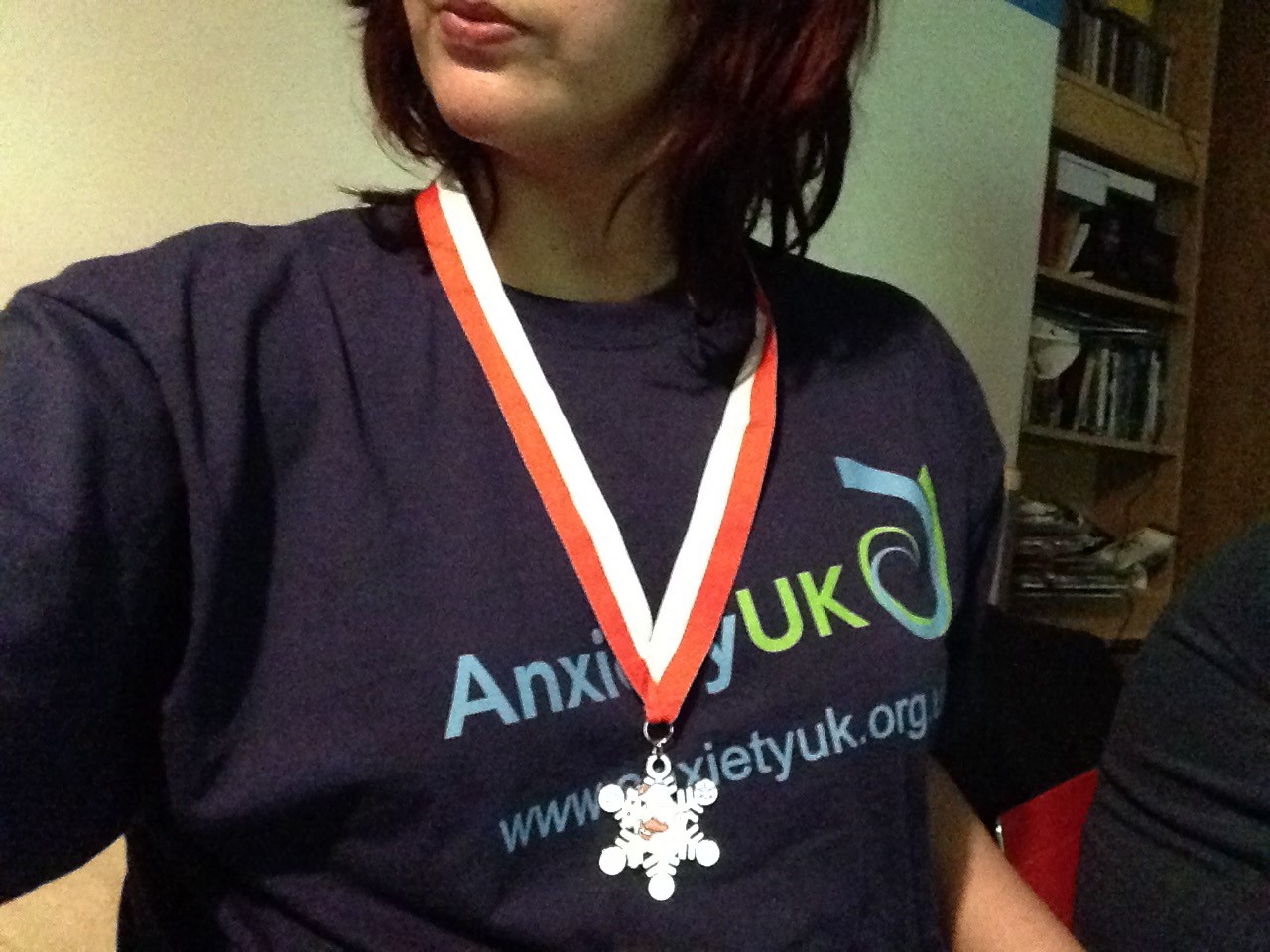
This week is al


Monday, 2 October 2017

Beneath the surface

Hello I hope you're all ok? Sorry for the slight delay in blogging since last post. The focus of my latest blog is looking beneath the surface especially when someone finds social situations more challenging.

It's important to remember that no two people are the same but for some who experience social anxiety and/or struggle with confidence in social situations it can mean getting to know them can take that bit more time. It can take a while to feel comfortable or feel more confident when meeting new people and sharing information about themselves and ideas more challenging.

On the outside they may appear bored, rude, aloof or simply just quiet. You might think that they simply just don't care or don't want to be in your company or being flaky. Social anxiety is more than just being shy: it’s a mixture of physical symptoms and thoughts and can be really difficult and frustrating to live with. It’s important to get to know how it affects someone differently and take time to help them feel more comfortable and confident but most importantly in their own time. Take your time to understand someone’s challenges but also try and boost their confidence to help them grow.

The words you use can make a huge difference. Having social anxiety/anxiety doesn’t mean someone doesn’t have an opinion or a voice, but you can help build up their confidence by simply listening. If you know someone is going through a rough patch with their mental health a listening ear can mean so much. You don’t know how much hard work it can take for someone to be able to do something you might take for granted. Don’t  put someone under pressure,  let them do it in their own time, your patience can mean a lot.

Most importantly  everyone is a person, someone with a story. Everyone has a story, and you never know what people may be dealing or struggling  with behind closed doors. You never know who may have a mental illness, disability or difficulty invisible to the eye. Whilst I wanted to focus this blog on my anxiety/social anxiety, I’m also dyspraxic and many people may have another difficulty alongside any mental health challenges.

As someone who has social anxiety/anxiety  and can experience panic attacks meeting new people groups of people can be a real challenge for me, speaking up, sharing my ideas all of the anxiety and overthinking which can come beforehand and all of the overthinking which can happen afterwards and low self esteem/low mood. It's lead to some misunderstandings and difficult situations.

But I hope those who know me well know more  about me and of my  life experiences and that I care and empathise with others. In previous blogs I have discussed my anxiety/social anxiety and situations I find challenging. An example can approach wanting  to approach someone or go into situations  with ideas and things you wish  to share. But the physical feelings and thoughts and worries of being judged or coming across as boring or annoying go alongside of this.

I can find small talk not the easiest, and like to get to know what makes someone who they are by looking deeper to get to know their heart and soul.

I hope to become more confident and manage my anxiety in time, and if you relate to any of what I've talked about I think it's important to go at your own pace, find people who understand your struggles but who also encourage you to grow. Asking questions or taking that little bit of time to get to know someone who has anxiety or finds social situations more challenging can mean a lot, and cause a lot less misunderstandings. You never know what you might find out about someone.

Until next time....


Thursday, 31 August 2017

Why I walk Parallel London for for anxiety and dyspraxia

On the 3rd of September, my mum and I will be walking Parallel London 10k. Returning from injury my boyfriend Matt is planning to hobble somehow around the 10k course too. Earlier this year he blogged about why he has been running for Anxiety UK and Dyspraxia Foundation. I thought I would share some of my experiences both growing up and as an adult.

We begin our story when we meet a little girl who never knew why she worried so much, got so overwhelmed and anxious, could never put her hand up in class, and why she was the only person in her reception class photo with an arm in a sling and was different. I had no idea I had an anxietyuntil I reached adulthood and dyspraxia was very much unheard of.

Whenever the subject P.E was brought up at school it made me feel full of dread, It made me feel embarrassed and very self -conscious too. I'm dyspraxic which means it takes me longer to process information and day to day tasks many people take for granted take that bit longer. The messages and wiring from the brain to the body get jumbled up. Everyone who is dyspraxic is very much different you'll never meet two of the same and it's still a very misunderstood condition, I'm a unique, quirky soul. I  have always found making friends difficult alongside my social anxiety, but I am also creative, with a really vivid imagination, huge love of animals and hard working.

Again everyone who has social anxiety/anxiety is different.  For me I mainly find feeling calm, social situations, being in groups of people, trying new things, going to new places, meeting new people and initiating conversations and new and the unknown, difficult. I also have quite a big fear of judgment and saying the wrong thing or appearing boring and can take me a while to come out of my shell.  I'm  an over-thinker and worrier.

At school, I was always the one who was chosen last to be a part of the team, the person nobody wanted to be partnered with and the one who was always last and experienced bullying which had quite a big impact on my social anxiety and confidence/self-esteem.

A few years ago my mental health hit rock bottom due to workplace bullying and I struggled with depression. I decided after this I didn't w
ant others to go through or feel what I felt alone, through these blogs and the awareness work I do hopefully educate others about issues invisible to the eye. I struggled in silence and it took me to be an adult to finally know I had anxiety/social anxiety and issues with low mood.  I would hate for other people to wait for so long like I did and struggle so long by themselves. Anxiety especially social anxiety  is still quite a challenge for me, but I hope with therapy in time to manage it. It's made me have empathy and understanding towards others.

The concept of me going around a 10k course even walking is quite a daunting one for someone with anxiety and dyspraxia and I am starting to feel the anxiety build up towards it with the unknown. Parallel London is a fully inclusive event meaning anyone with any kind of physical difficulty or disability and/or mental health condition can take part free of judgment, that also has designated areas that if people feel anxious or overwhelmed they can go to.

Last year I completed the 5k event with Matt and it really did open my eyes seeing people with severe and complex needs being able to take part in their own way. More events need to be more inclusive. Confidence and self-esteem alongside my anxiety is quite a big challenge for me  and make me struggle with low mood as I doubt and am far too hard on myself  so by completing this event it will give me a boost. Those around me say that I never give up, a persevere and
and so hopefully the event will help me believe in myself a little bit more.

Anxiety UK does amazing work alongside other mental health charities to reduce the stigma surrounding these and have always been caring. The Dyspraxia Foundation helped my family a lot when I was growing up and have helped me a lot as an adult by putting on conferences, so my mum will be giving back by taking herself.  The ladies from the office and other supporters are also taking part in Parallel, as for them this isn't something which is their usual forte.

We all are very much doing it mainly for awareness but if you have any spare money around to sponsor us, it will be gratefully appreciated. As individuals we do ok, but together we really can make a difference!
https://www.justgiving.com/teams/MattRosie17

Until next time ......


Monday, 28 August 2017

Why I walk Parallel London for for anxiety and dyspraxia

 On the 3rd of September, my mum and I will be walking Parallel London 10k. Returning from injury my boyfriend Matt is planning to hobble somehow around the 10k course too. Earlier this year he blogged about why he has been running for Anxiety UK and Dyspraxia Foundation. I thought I would share some of my experiences both growing up and as an adult.

We begin our story when we meet a little girl who never knew why she worried so much, got so overwhelmed and anxious, could never put her hand up in class, and why she was the only person in her reception class photo with an arm in a sling and was different. I had no idea I had an anxiety disorder until I reached adulthood and dyspraxia was very much unheard of.

Whenever the subject P.E was brought up at school it made me feel full of dread, It made me feel embarrassed and very self -conscious too. I'm dyspraxic which means it takes me longer to process information and day to day tasks many people take for granted take that bit longer. The messages and wiring from the brain to the body get jumbled up. Everyone who is dyspraxic is very much different you'll never meet two of the same and it's still a very misunderstood condition, I'm a unique, quirky soul. I  have always found making friends difficult alongside my social anxiety, but I am also creative, with a really vivid imagination, huge love of animals and care about humans.

Again everyone who has social anxiety/anxiety is different.  For me I mainly find feeling calm, social situations, being in groups of people, trying new things, going to new places, meeting new people and initiating conversations and new and the unknown, difficult. I also have quite a big fear of judgment and saying the wrong thing or appearing boring and can take me a while to come out of my shell.  I'm  an over-thinker and worrier and quite a sensitive emotional soul.

At school, I was always the one who was chosen last to be a part of the team, the person nobody wanted to be partnered with and the one who was always last and experienced bullying which had quite a big impact on my social anxiety and confidence/self-esteem.

A few years ago my mental health hit rock bottom due to workplace bullying and I struggled with depression. I decided after this I didn't w
ant others to go through or feel what I felt alone, through these blogs and the awareness work I do hopefully educate others about issues invisible to the eye. I struggled in silence and it took me to be an adult to finally know I had anxiety/social anxiety and issues with low mood.  I would hate for other people to wait for so long like I did and struggle so long by themselves. Anxiety especially social anxiety  is still quite a challenge for me, but I hope with therapy in time to manage it. It's made me have empathy and understanding towards others.

The concept of me going around a 10k course even walking is quite a daunting one for someone with anxiety and dyspraxia and I am starting to feel the anxiety build up towards it with the unknown. Parallel London is a fully inclusive event meaning anyone with any kind of physical difficulty or disability and/or mental health condition can take part free of judgment, that also has designated areas that if people feel anxious or overwhelmed they can go to.

Last year I completed the 5k event with Matt and it really did open my eyes seeing people with severe and complex needs being able to take part in their own way. More events need to be more inclusive. Confidence and self-esteem alongside my anxiety is quite a big challenge for me  and make me struggle with low mood as I doubt and am far too hard on myself  quite a bit so by hopefully completing this event it will give me a boost. Those around me say that I never give up, a persevere  and so hopefully the event will help me believe in myself a little bit more.

Anxiety UK does amazing work alongside other mental health charities to reduce the stigma surrounding these and have always been caring. The Dyspraxia Foundation helped my family a lot when I was growing up and have helped me a lot as an adult by putting on conferences, so my mum will be giving back by taking herself.  The ladies from the office and other supporters are also taking part in Parallel, as for them this isn't something which is their usual forte.

We all are very much doing it mainly for awareness but if you have any spare money around to sponsor us, it will be gratefully appreciated. As individuals we do ok, but together we really can make a difference!
https://www.justgiving.com/teams/MattRosie17
Until next time ......


Things take time

Hi everyone I hope you're well? I first began to write this blog back before the first lockdown and have recently got around to re-editi...